Living in Taupō comes with incredible lake views, fresh air, and dramatic seasonal changes. But while the scenery is beautiful, the local climate can quietly take a toll on your property, especially your locks.
From high humidity near Lake Taupō to heavy rainfall and chilly winter mornings, weather plays a bigger role in lock performance than most homeowners realise. If your key has ever felt stiff, your padlock has jammed after a storm, or you’ve noticed reddish staining around your door hardware, the weather is likely to blame.
Let’s break down how Taupō’s climate affects your locks, and what you can do to prevent rust and costly replacements.
Taupō’s Climate: A Perfect Recipe for Rust
Taupō experiences a mix of humid air, consistent rainfall, and cool winter temperatures. Being close to a large body of water increases moisture levels in the air year-round. Even if you’re not lakeside, humidity travels.
Here’s why that matters:
- Moisture in the air settles on metal surfaces
- Condensation builds up during cold mornings
- Rainwater seeps into outdoor lock mechanisms
- Temperature shifts cause metal expansion and contraction
When metal stays damp for extended periods, oxidation begins. That’s the technical term for rust forming on iron and steel components. Once rust starts inside a lock, it spreads quickly.
Why Humidity Is Tough on Locks?
Humidity doesn’t have to feel extreme to cause damage. Even moderate moisture levels can slowly corrode internal lock components.
Inside your lock cylinder are small precision parts, springs, pins, and chambers that must move freely. When moisture enters:
- Springs weaken
- Pins stick
- Keys stop turning smoothly
- Internal components corrode invisibly
Over time, this leads to stiffness, key breakage, or complete lock failure.
Homes near the lake, in shaded areas, or surrounded by dense greenery are especially vulnerable because those environments trap moisture.
Heavy Rain and Water Intrusion
Taupō sees significant rainfall throughout the year. Outdoor locks, like gate padlocks, garage locks, and external deadbolts, take the brunt of it.
Water enters through:
- Keyholes
- Loose fittings
- Cracks in door frames
- Poor-quality weather seals
Once water gets inside and sits, rust forms rapidly. If temperatures drop overnight, trapped moisture can also freeze, temporarily jamming the mechanism.
That’s why some locks seem fine one day and completely stuck the next.
Winter Cold and Lock Seizure
Taupō winters bring frosty mornings and low temperatures. Cold weather causes metal to contract slightly. If moisture is already present inside your lock, freezing temperatures can cause:
- Temporary jamming
- Stiff key rotation
- Internal cracking in cheaper locks
- Brittle metal components over time
Even without freezing, colder temperatures reduce lubrication effectiveness. If your lock hasn’t been maintained, winter is when issues show up first.
The Early Warning Signs of Rust Damage
Most lock failures don’t happen suddenly. There are warning signs:
- Key feels rough when inserting or turning
- Brown or reddish residue near the keyhole
- Lock feels “gritty” when turning
- Door hardware looks dull or discoloured
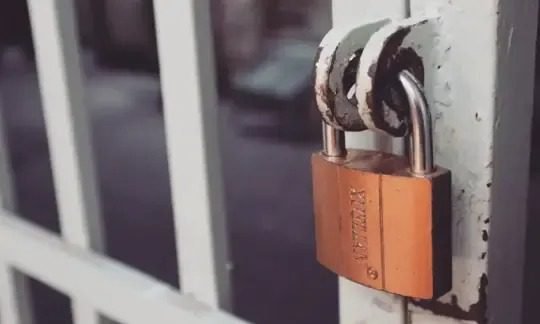
- Padlocks become difficult to open after rain
Ignoring these signs often leads to emergency lockouts or snapped keys inside cylinders, something no one wants to deal with during a rainy evening.
How to Prevent Rust and Weather Damage?
The good news? Rust is preventable with simple, consistent care.
1. Use the Right Lubricant (Not WD-40)
WD-40 is great for many things, but it’s not ideal for long-term lock maintenance. It can attract dust and grime.
Instead, use:
- Graphite powder
- Silicone-based lubricants
- PTFE (Teflon) sprays
Apply lightly into the keyhole every few months, especially before winter.
2. Upgrade to Weather-Resistant Locks
If your locks are older or budget-grade, they may not be designed for New Zealand’s climate.
Look for:
- Stainless steel components
- Brass cylinders
- Weather-sealed external locks
- Marine-grade padlocks for outdoor use
Investing in higher-quality hardware costs less than replacing damaged locks repeatedly.
3. Protect External Locks
For outdoor locks:
- Install covered lock boxes for padlocks
- Use weather shields on door locks
- Ensure door frames are properly sealed
- Avoid direct water exposure when possible
Even small structural improvements around doors can reduce moisture entry significantly.
4. Wipe Down After Heavy Rain
It sounds simple, but after prolonged rain, wiping down exposed metal hardware can prevent surface corrosion. This is especially helpful for gates and garages.
5. Schedule Preventive Inspections
Sometimes the damage is internal and invisible. If locks feel slightly off, even if they still work, it’s smart to have them inspected before they fail.
Professional locksmiths can:
- Clean internal mechanisms
- Replace worn springs and pins
- Recommend corrosion-resistant upgrades
- Identify weather-related vulnerabilities
If you’re in the area, a local expert like Near Me Locksmith understands Taupō’s unique climate conditions and can recommend solutions that last.
When Rust Turns Into a Security Risk
A rusty lock isn’t just inconvenient; it can compromise your home’s security.
Corroded locks:
- Don’t latch properly
- Can be easier to force open
- May fail to engage fully
- Sometimes, trap keys inside
If internal components weaken, your door may appear locked but not be fully secure.
In rental properties or holiday homes, common in Taupō, that’s an even bigger concern.
The Cost of Waiting Too Long
Replacing a damaged lock is more expensive than maintaining a healthy one.
Here’s what often happens:
- Lock becomes stiff.
- It’s ignored.
- The key snaps or the mechanism seizes.
- Emergency call-out is required.
- Full replacement becomes necessary.
Preventive maintenance costs far less than urgent repairs.
A Seasonal Lock Care Routine for Taupō Homes
If you want a simple plan:
- Early Autumn: Lubricate all external locks before heavy rains.
- Mid-Winter: Check for stiffness or frost-related issues.
- Spring: Inspect for rust after wet months.
- Summer: Upgrade any hardware showing corrosion.
Four small check-ins per year can extend the life of your locks significantly.
Taupō’s climate isn’t something you can control, but how you protect your property is.
If your locks have started sticking, showing rust, or simply haven’t been checked in years, now is the time to act before the next heavy rain or frosty morning puts them out of commission.