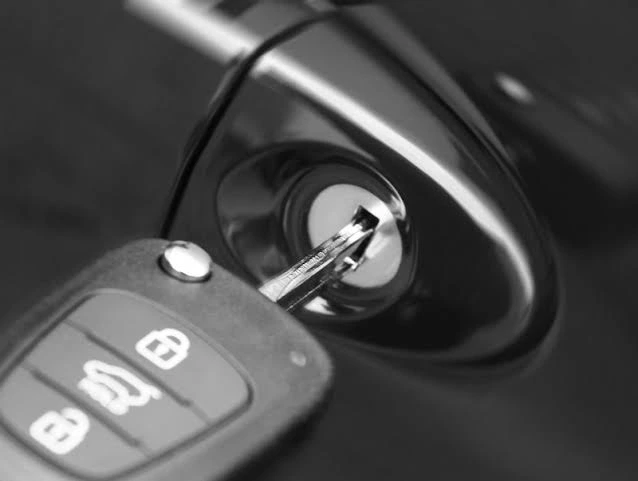
Losing one car key is inconvenient, but losing every working copy can leave you completely stranded. Without a spare, you may be unable to unlock the vehicle or start the engine, and many drivers assume their only option is to have the car towed to a dealership.
Fortunately, a replacement can often be created even when no original key is available. The exact process depends on the vehicle, the type of key it uses, and its electronic security system.
What Should You Do When All Your Car Keys Are Lost?
Before arranging a replacement, check the places where your keys may have been left. Look through bags, pockets, around your home, and anywhere you recently visited.
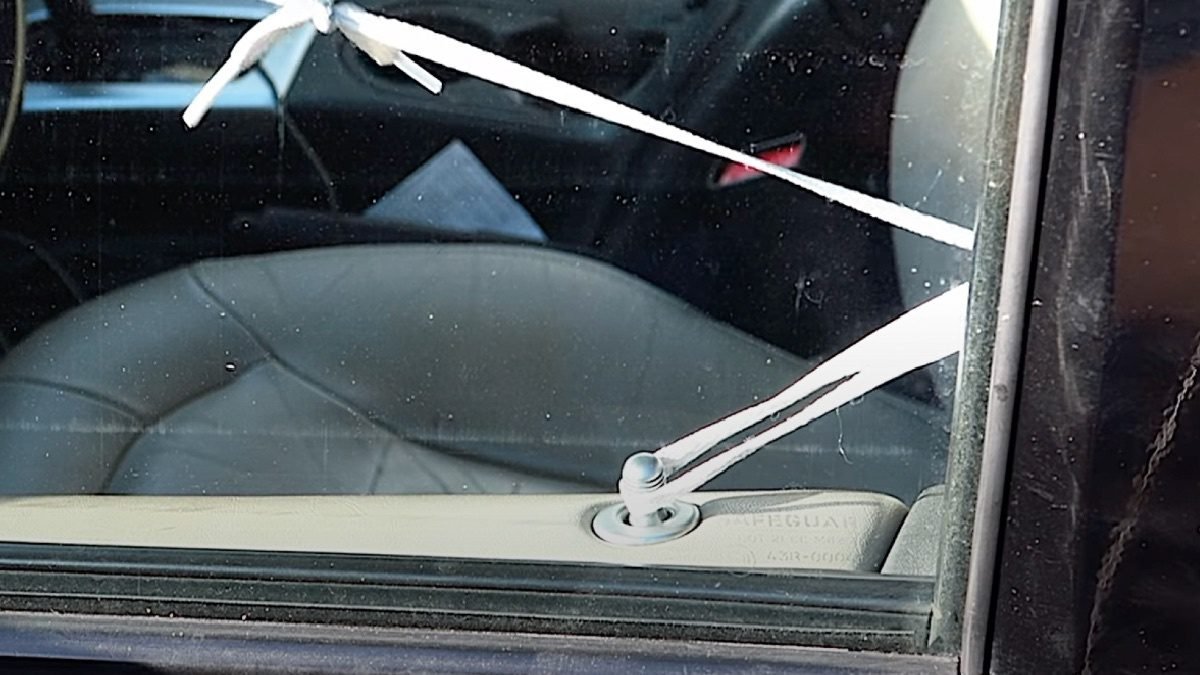
If the key is genuinely lost, avoid trying to force open the vehicle. DIY methods involving screwdrivers, metal rods, or other tools can damage the door, paint, weather seals, or internal locking components.
Instead, gather your vehicle details and find out what replacement options are available.
Can a New Car Key Be Made Without the Original?
In many cases, yes. Professional Car key replacement taupo may be possible even when every existing key has been lost.
Unlike simple key duplication, where a working key is copied, an all-keys-lost situation requires a new key to be created for the vehicle. Depending on the car, this may involve identifying the correct key specifications, cutting a new blade, and programming electronic components.
The process can vary significantly between older vehicles and newer models.
What Type of Replacement Key Will You Need?
The type of key required depends on your vehicle’s make, model, and year. Common car key types include:
- Traditional mechanical keys
- Transponder keys
- Remote key fobs
- Flip keys
- Smart keys
- Proximity keys
Older vehicles may only need a correctly cut metal key. Modern cars often use electronic security technology that requires additional programming.
A car Locksmith taupo can assess the vehicle information and determine which type of replacement may be required.
Why Does a New Car Key Need Programming?
Many modern vehicles have an immobiliser system that prevents the engine from starting unless the correct electronic signal is detected.
A car replacement key may have a perfectly cut blade and still fail to start the car. This happens when the transponder chip inside the key has not been programmed to communicate with the vehicle.
Depending on the key type, the replacement process may include blade cutting, transponder programming, remote setup, and testing to make sure the vehicle starts correctly.
Smart and proximity keys may require a different process because they communicate wirelessly with the car.
Will the Vehicle Need to Be Towed?
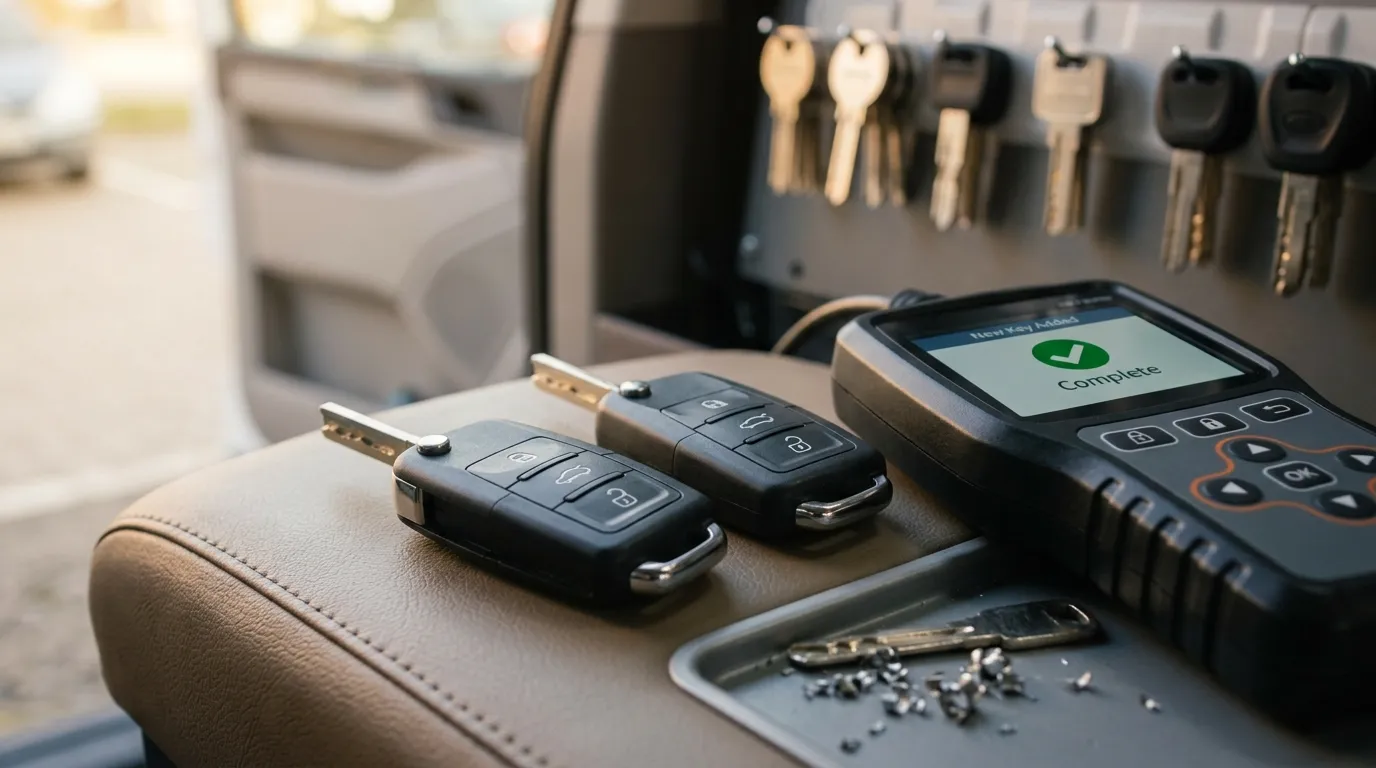
Not always. Mobile automotive locksmith services may be able to travel to the vehicle and carry out the necessary work at its location.
This can be useful when the car is parked at home, at work, in a public car park, or somewhere else where it cannot be driven. Depending on the vehicle, mobile equipment may be used for key cutting and electronic programming on-site.
Providing accurate information before assistance arrives can help determine whether mobile replacement is possible.
What Information Should You Provide?
When requesting a new car key, have the vehicle make, model, year, and exact location ready. If you know what type of key was lost, mention whether it was a standard key, remote fob, or smart key.
You may also be asked to provide identification and proof that you own or are authorised to use the vehicle. This is an important security measure before a replacement key is created.
Should You Make a Spare at the Same Time?
Once your replacement key is working, consider getting a second copy. Having a spare stored safely can prevent another all-keys-lost situation in the future.
Keep the backup separate from your everyday key so both copies cannot be lost together.
Losing every car key can be stressful, but it does not always mean the vehicle needs to be towed away. Depending on the car, a new key may be cut and programmed where the vehicle is parked, helping you regain access and get back on the road.