
24/7 Emergency Locksmith · Call 021 178 2575 · Freephone 0800 782 575

Category: Car Lockout

  • Car Lockout at a Taupō Campsite or Lakefront Car Park? How Can a Mobile Locksmith Help?

    Car Lockout at a Taupō Campsite or Lakefront Car Park? How Can a Mobile Locksmith Help?

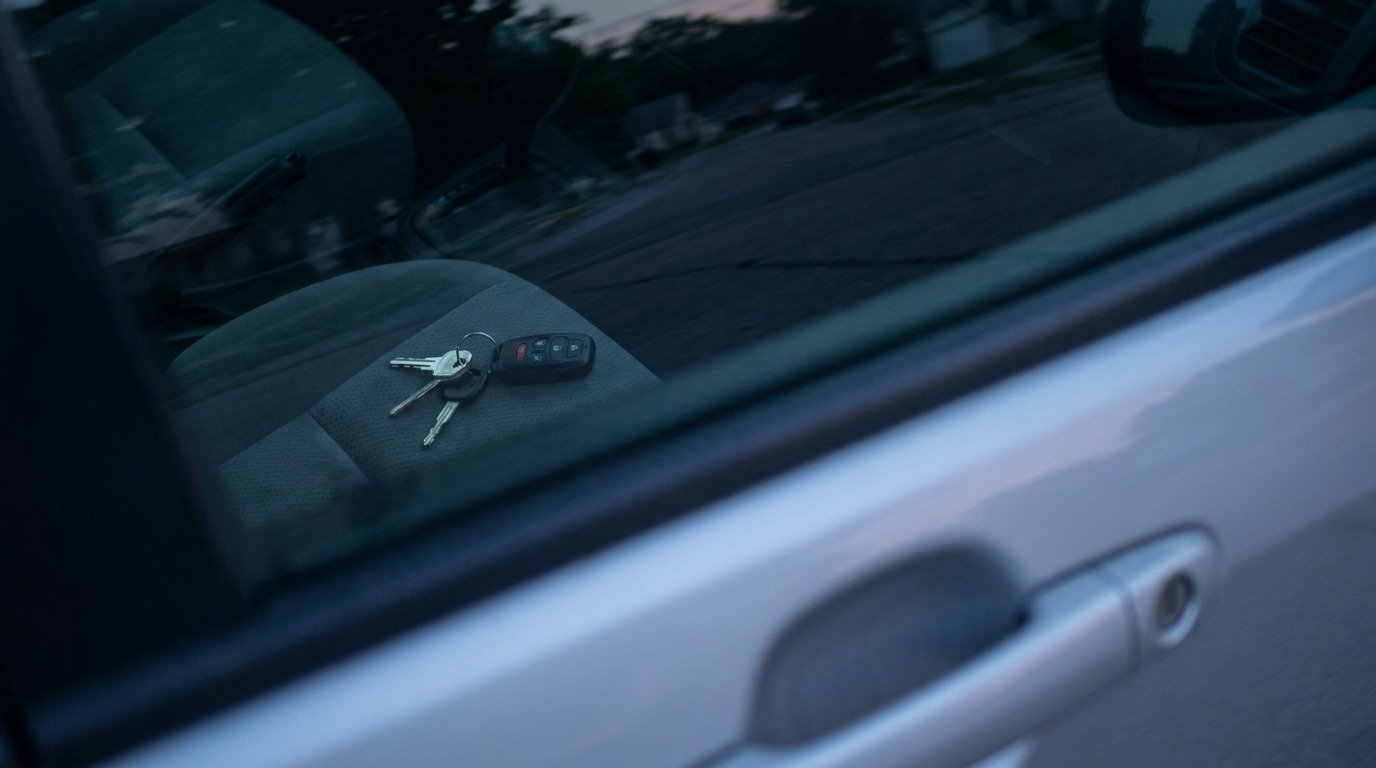
    Imagine enjoying a relaxing afternoon beside Lake Taupō, only to discover your car keys are locked inside your vehicle. Whether you’re visiting a holiday park, exploring the lakefront, or stopping at a scenic location, being unable to access your car can quickly disrupt your plans.

    Fortunately, a professional car lockout service in Taupo can help you regain access without unnecessarily damaging your vehicle. Knowing what to do, what information to provide, and how mobile locksmith assistance works can make the experience much easier.

    What Should You Do First When Locked Out of Your Car in Taupō?

    Before requesting assistance, check whether your keys are actually inside the vehicle or have been misplaced nearby.

    Look through the windows, check your belongings, and see whether you have access to a spare key.

    If you’re in an unfamiliar area, remain somewhere safe and avoid leaving valuable possessions unattended.

    Our guide covering six things to do immediately after a Taupō car lockout explains useful first steps.

    You can also follow this complete Taupō car lockout emergency plan to understand your options.

    If a child, vulnerable person, or animal is trapped in a dangerously hot vehicle, seek emergency assistance immediately rather than waiting for a routine locksmith callout.

    Why Can Car Lockouts Be More Complicated at Campsites and Lakefront Locations?

    Finding assistance at a holiday park or lakeside parking area can be more difficult when you’re unfamiliar with the surroundings.

    Some locations have multiple entrances, numbered campsites, restricted vehicle access, or limited parking.

    When contacting a locksmith, provide your exact location, nearby landmarks, and any instructions needed to reach your vehicle.

    While waiting, review these safe methods to consider when car keys are locked inside.

    Accurate location details can help avoid unnecessary delays.

    Can a Mobile Locksmith Unlock Your Car Without Damaging It?

    Professional automotive locksmiths use specialist tools and techniques designed to gain access while reducing the risk of damage.

    The appropriate method depends on your vehicle’s locking system, make, model, and security features.

    Avoid forcing doors, inserting improvised tools, or attempting to break windows unless immediate danger requires emergency action.

    Our article explaining why DIY car unlocking tricks can cause expensive damage highlights these risks.

    Sometimes the problem is not a lockout but an unresponsive remote. Understanding hidden keyholes and failed car key fobs can help identify the issue.

    For professional assistance, explore our car lockout service in Taupō.

    What Information Should You Give a Car Locksmith in Taupō?

    When calling a mobile locksmith, explain your situation clearly.

    Provide your vehicle’s make, model, approximate year, location, and whether the keys are locked inside or completely missing.

    Mention if the vehicle has a smart key, push-button ignition, or unusual security system.

    You should also confirm the estimated callout charge, likely arrival time, and any additional service costs before approving work.

    This emergency locksmith service timeline explains what generally happens between requesting help and resolving a lock problem.

    What Happens If Your Car Keys Are Lost Rather Than Locked Inside?

    A lockout and a lost-key situation often require different solutions.

    If your keys are inside the vehicle, professional unlocking may be sufficient. However, completely missing keys may require cutting and programming a replacement.

    The vehicle’s security system determines what equipment and procedures are necessary.

    Read our guide explaining what to do when you lose your car keys in Taupō for additional guidance.

    Our automotive locksmith services also cover car key replacement and programming.

    Can You Get Car Lockout Assistance After Dark?

    Yes. Emergency mobile locksmith services can provide assistance outside normal business hours, including evenings, weekends, and public holidays.

    However, actual arrival times depend on location, travel conditions, and technician availability.

    Understanding what to expect from an after-hours locksmith can help you prepare.

    If you’re comparing providers, learn how to identify a reliable locksmith near you before arranging assistance.

    Where Can You Find Mobile Car Locksmith Help in Taupō?

    Near Me Locksmith provides 24/7 mobile locksmith services across Taupō and surrounding areas, helping drivers with lockouts and vehicle key problems.

    Whether you’re at a campsite, accommodation property, or lakefront parking area, contact the team to confirm access and availability.

    Locked out of your vehicle? Contact Near Me Locksmith to request professional car lockout assistance and get back to your plans.

  • Should You Duplicate Your Only Car Key Before It’s Too Late?

    Should You Duplicate Your Only Car Key Before It’s Too Late?

    Having one working car key may seem perfectly fine until it goes missing, breaks, or suddenly stops working. Many drivers only think about getting a spare after they have already lost their only key, which can turn a simple inconvenience into a much more stressful situation.

    Creating a duplicate while you still have a working original can make future problems easier to manage. Here are some reasons why getting a spare car key before you actually need one can be a practical decision.

    What Happens If You Lose Your Only Car Key?

    Losing your last working key can leave your vehicle completely unusable. Even if the car is unlocked, you may not be able to start the engine, especially if it uses a transponder chip or another electronic security system.

    When no original key is available, creating a replacement may involve identifying the correct key blade, cutting a new key, and programming it to the vehicle.

    By comparison, arranging a spare through a professional key duplication service taupo while you still have a working key may make the process more straightforward.

    A spare can also reduce the risk of being stranded at home, at work, or away from town.

    Why Are Modern Car Keys More Complicated to Duplicate?

    Older vehicles often use traditional mechanical keys. If the blade is copied correctly, the duplicate may be ready to use immediately.

    Modern car keys can be more complex. Depending on your vehicle, your key may include:

    • A transponder chip
    • Remote locking buttons
    • An immobiliser connection
    • A flip-key mechanism
    • Smart key technology
    • Proximity or keyless entry functions

    A physical copy of the blade may unlock the door but still fail to start the engine. The electronic components may also need to be programmed so the vehicle recognises the new key.

    When Is the Best Time to Make a Spare?

    The best time to arrange a duplicate is usually while your current key is still working properly. If the key is badly worn, cracked, bent, or becoming unreliable, waiting too long may increase the chance of complete failure.

    You should consider getting a spare if:

    • You only have one working car key
    • Multiple family members use the vehicle
    • Your current key is showing signs of wear
    • The remote buttons are becoming unreliable
    • You recently purchased a used vehicle with only one key
    • You regularly travel long distances

    Having a backup stored securely can give you another option if the main key becomes unavailable.

    Is Key Cutting the Same as Key Programming?

    No. Key cutting taupo refers to creating the physical blade that matches the locks or ignition of the vehicle. Programming is the electronic process of connecting a transponder, remote, or smart key to the car’s security system.

    Some vehicles only need a key to be cut. Others require both services before the replacement will work fully.

    The make, model, year, and key type can help determine what is needed.

    Where Should You Keep Your Spare Car Key?

    A spare key is only useful if it is stored somewhere secure and accessible when needed. Avoid keeping both keys on the same keyring or carrying them together, as they could be lost at the same time.

    You may want to leave the spare at home or with someone you trust. Avoid hiding car keys in obvious places near the vehicle, as this can create a security risk.

    If several people use the same car, make sure everyone knows who has access to the spare.

    Do Not Wait Until the Original Is Gone

    It is easy to postpone making a car key duplicate because your current key is still working. However, car keys can be lost, damaged, or locked inside a vehicle without warning.

    Getting a spare made in advance can help you avoid an all-keys-lost situation and give you a reliable backup when something goes wrong. If you currently have only one working car key, arranging a duplicate now may save you considerable time and inconvenience later.

  • What Happens Inside a Lock When You Turn a Car Key?

    What Happens Inside a Lock When You Turn a Car Key?

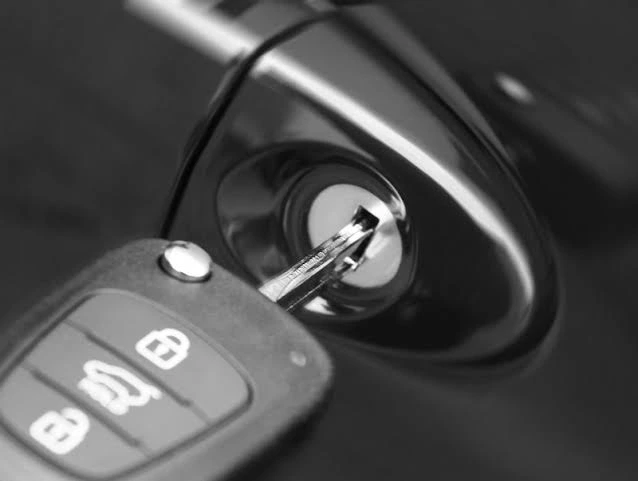
    Turning a car key feels simple, but quite a bit happens inside the lock and ignition mechanism when you do it. A traditional key physically moves components inside the lock, while modern vehicles may also use electronic systems to confirm that the correct key is being used.

    Understanding the basics can make unusual key or ignition behaviour easier to recognise.

    How Does a Traditional Car Lock Work?

    Inside a conventional lock are several small components that need to align correctly before the mechanism can turn.

    The cuts along the key are designed to interact with these components. When the correct key is inserted, the internal parts move into the required position, allowing the lock cylinder to rotate.

    If the wrong key is used, the components won’t align properly, preventing the cylinder from turning.

    What Happens When You Turn the Key?

    Once the correct key has aligned the internal mechanism, turning it rotates the lock cylinder.

    In a door lock, this movement operates the mechanism that locks or unlocks the door. In an ignition, turning the key moves the ignition mechanism through different positions.

    Depending on the vehicle, these positions can control functions such as the electrical system, accessories, and engine-starting circuit.

    Why Can a Key Become Difficult to Turn?

    If a key suddenly feels stiff or requires more force than usual, the key itself isn’t always responsible.

    The key may be worn, bent, or damaged. However, the internal components of the lock or ignition can also become worn over time.

    Dirt or debris can contribute to the problem as well. Continuing to force a stiff key can make the situation worse and may eventually result in a broken key.

    If the difficulty occurs specifically when starting the vehicle, it’s worth considering whether the ignition mechanism needs attention. Our ignition repair and replacement service provides more information about common ignition-related problems.

    Modern Cars Add an Electronic Layer

    Physical movement isn’t the whole story with many newer vehicles.

    Modern car keys can contain electronic components that communicate with the vehicle’s security system. Even if the physical key turns correctly, the vehicle may still need to recognise the electronic identification before allowing the engine to start.

    This is one reason a key can physically fit the ignition but still fail to start the vehicle.

    You can learn more about vehicle key systems through our automotive services.

    What If the Key Won’t Turn at All?

    Don’t immediately assume that the key needs to be forced.

    First, check whether the steering wheel is putting pressure on the locking mechanism, particularly if the vehicle has a traditional ignition. Gently moving the steering wheel while applying light pressure to the key may sometimes release that tension.

    If the key remains stuck or the problem keeps returning, it’s better to have the key and ignition checked rather than repeatedly applying force.

    Small Problems Can Become Bigger Ones

    A key that feels different from normal is worth paying attention to. Increased resistance, inconsistent operation, or difficulty turning can indicate wear in either the key or the mechanism itself.

    Identifying the cause early can help prevent a situation where the key becomes completely unusable or breaks inside the lock or ignition.

  • Why Do Car Keys Wear Out? Signs Your Key Is Nearing the End of Its Life

    Why Do Car Keys Wear Out? Signs Your Key Is Nearing the End of Its Life

    Car keys are used almost every day, so it’s easy to forget that they can gradually wear down. Even when a key looks fine at first glance, years of being inserted into locks and ignition systems can affect its shape and performance.

    Recognising the early signs of wear can help you deal with the problem before the key stops working completely.

    The Metal Blade Can Wear Down

    Every time a physical key is inserted and turned, the metal surfaces inside the lock or ignition interact with the cuts on the key. Over time, those edges can become less defined.

    A worn key may still work, but you might notice that it takes more effort to turn or doesn’t operate as smoothly as it once did.

    If you have to jiggle the key or try several positions before it works, don’t keep forcing it. Excessive pressure can eventually cause the key to bend or break.

    Scratches and Damage Can Be Warning Signs

    Keys spend a lot of time in pockets, bags, keyrings, and other places where they can be knocked against other objects.

    Deep scratches, bends, cracks, or a visibly damaged blade can affect how well the key operates. A damaged plastic housing can also expose the electronic components inside a modern key.

    If the physical key is becoming difficult to use, it’s worth having the issue assessed before it becomes a bigger problem. Our automotive services cover various vehicle key and lock-related issues.

    Key Fob Buttons Can Wear Out Too

    The metal blade isn’t the only part that can deteriorate. The buttons on a key fob may become worn after thousands of presses.

    You might notice that one button requires more pressure than the others or occasionally fails to respond. While a weak battery can cause similar symptoms, worn buttons can remain problematic even after the battery has been replaced.

    Signs Your Key May Need Attention

    Some common warning signs include:

    • The key feels loose when inserted
    • It is becoming difficult to turn
    • You need to wiggle it to operate the lock
    • The blade appears bent or damaged
    • Key fob buttons are becoming unreliable
    • The key works inconsistently

    These symptoms don’t always mean the key itself is at fault. A worn lock or ignition can create similar problems.

    For example, if the key is difficult to turn specifically when starting the vehicle, the issue could involve the ignition rather than the key. You can read more about ignition repair and replacement if this is happening.

    Don’t Wait Until the Key Breaks

    A key that is showing obvious signs of wear is easier to deal with while it still works. Continuing to use a badly worn key can increase the risk of being unable to access or start the vehicle.

    If you notice changes in how your key feels or behaves, take them seriously. Identifying whether the problem is the key, lock, ignition, or electronic system is the first step towards finding the right solution.

  • How Much Does a Locksmith Charge to Change a Lock?

    How Much Does a Locksmith Charge to Change a Lock?

    In New Zealand, a professional locksmith typically charges between $80 and $250+ NZD to change a lock.

    Rekeying an existing lock cylinder generally costs between $80 and $150, while replacing the entire lock mechanism or installing modern digital or deadbolt hardware usually ranges from $150 to $350+.

    The exact cost depends on whether you are replacing hardware, rekeying existing locks, and whether you require an after-hours emergency callout.

    What Factors Affect the Cost of Changing a Lock?

    Locksmith pricing isn’t one-size-fits-all. When requesting a quote, several key factors can influence the final total.

    Type of Lock

    Standard deadbolts and knob locks are generally cheaper to replace than multi-point door locks, commercial locking systems, or smart electronic keypads.

    Rekeying vs. Full Replacement

    Simply changing the internal pins so old keys no longer work costs significantly less than buying brand-new lock hardware.

    Time of Service

    Standard weekday business hours usually carry lower call-out fees compared to emergency 24/7, weekend, or late-night callouts.

    Number of Locks

    Changing multiple door locks during the same visit can often reduce the overall cost per lock.

    Is Rekeying Cheaper Than Replacing Lock Hardware Entirely?

    Yes, rekeying is almost always the more cost-effective option.

    If your existing lock handles and deadbolts are in good working condition, you don’t necessarily need to replace the entire assembly. A locksmith can alter the internal pins inside the cylinder so that old keys will no longer unlock the door.

    For homeowners in the Central Plateau, using a precision key cutting Taupo specialist can also allow you to rekey your entire house so multiple locks work with a single key.

    Once your locks are rekeyed, you can easily use a local key duplication service Taupo to create extra copies for family members, guests, or tenants without paying for new hardware.

    When Should You Consider Changing or Rekeying Your Locks?

    Replacing or rekeying door locks is an important step in protecting your home or business. You should consider booking a locksmith if:

    • You moved into a new property: Previous owners, real estate agents, or contractors might still have copies of the original keys.
    • Your keys were lost or stolen: If your keys are missing, especially alongside personal identification, your home security could be compromised.
    • A tenancy or relationship ends: Rekeying or replacing the locks can help ensure former tenants or other people no longer have access to your property.
    • The lock is sticking or damaged: Old mechanisms can wear out over time, increasing the risk of mechanical failure and making the lock less reliable.

    Ready to Upgrade Your Door Security?

    Whether you need a quick rekey, an emergency lock replacement, or spare keys, Lost My Key provides fast, reliable, and transparent locksmith services.

    Contact our team today for an accurate, hassle-free quote.

  • Lost All Your Car Keys? Here’s How Replacement Works

    Lost All Your Car Keys? Here’s How Replacement Works

    Losing one car key is inconvenient, but losing every working copy can leave you completely stranded. Without a spare, you may be unable to unlock the vehicle or start the engine, and many drivers assume their only option is to have the car towed to a dealership.

    Fortunately, a replacement can often be created even when no original key is available. The exact process depends on the vehicle, the type of key it uses, and its electronic security system.

    What Should You Do When All Your Car Keys Are Lost?

    Before arranging a replacement, check the places where your keys may have been left. Look through bags, pockets, around your home, and anywhere you recently visited.

    If the key is genuinely lost, avoid trying to force open the vehicle. DIY methods involving screwdrivers, metal rods, or other tools can damage the door, paint, weather seals, or internal locking components.

    Instead, gather your vehicle details and find out what replacement options are available.

    Can a New Car Key Be Made Without the Original?

    In many cases, yes. Professional Car key replacement taupo may be possible even when every existing key has been lost.

    Unlike simple key duplication, where a working key is copied, an all-keys-lost situation requires a new key to be created for the vehicle. Depending on the car, this may involve identifying the correct key specifications, cutting a new blade, and programming electronic components.

    The process can vary significantly between older vehicles and newer models.

    What Type of Replacement Key Will You Need?

    The type of key required depends on your vehicle’s make, model, and year. Common car key types include:

    • Traditional mechanical keys
    • Transponder keys
    • Remote key fobs
    • Flip keys
    • Smart keys
    • Proximity keys

    Older vehicles may only need a correctly cut metal key. Modern cars often use electronic security technology that requires additional programming.

    A car Locksmith taupo can assess the vehicle information and determine which type of replacement may be required.

    Why Does a New Car Key Need Programming?

    Many modern vehicles have an immobiliser system that prevents the engine from starting unless the correct electronic signal is detected.

    A car replacement key may have a perfectly cut blade and still fail to start the car. This happens when the transponder chip inside the key has not been programmed to communicate with the vehicle.

    Depending on the key type, the replacement process may include blade cutting, transponder programming, remote setup, and testing to make sure the vehicle starts correctly.

    Smart and proximity keys may require a different process because they communicate wirelessly with the car.

    Will the Vehicle Need to Be Towed?

    Not always. Mobile automotive locksmith services may be able to travel to the vehicle and carry out the necessary work at its location.

    This can be useful when the car is parked at home, at work, in a public car park, or somewhere else where it cannot be driven. Depending on the vehicle, mobile equipment may be used for key cutting and electronic programming on-site.

    Providing accurate information before assistance arrives can help determine whether mobile replacement is possible.

    What Information Should You Provide?

    When requesting a new car key, have the vehicle make, model, year, and exact location ready. If you know what type of key was lost, mention whether it was a standard key, remote fob, or smart key.

    You may also be asked to provide identification and proof that you own or are authorised to use the vehicle. This is an important security measure before a replacement key is created.

    Should You Make a Spare at the Same Time?

    Once your replacement key is working, consider getting a second copy. Having a spare stored safely can prevent another all-keys-lost situation in the future.

    Keep the backup separate from your everyday key so both copies cannot be lost together.

    Losing every car key can be stressful, but it does not always mean the vehicle needs to be towed away. Depending on the car, a new key may be cut and programmed where the vehicle is parked, helping you regain access and get back on the road.

  • Can a Locksmith Cut a New Car Key If the Original Is Lost?

    Can a Locksmith Cut a New Car Key If the Original Is Lost?

    Losing your only car key can leave you wondering whether a replacement is even possible without the original. Many drivers assume that a locksmith needs an existing key to make a copy, but that is not always the case.

    Depending on the vehicle, a new key may be created even when every original has been lost. The process is different from simply duplicating a working key and may involve both mechanical key cutting and electronic programming.

    Can a New Key Be Made Without an Original?

    In many cases, yes. A locksmith may use specialist equipment and vehicle information to determine the correct specifications for a new key.

    Professional car key cutting taupo may involve creating a replacement blade that matches the vehicle’s door locks and ignition. The exact process can vary depending on the make, model, year, and type of security system used by the car.

    Older vehicles may only require a correctly cut mechanical key. Modern vehicles often need additional work before the new key can start the engine.

    How Does a Locksmith Know What Key to Cut?

    When a working key is available, creating a duplicate can be relatively straightforward. When every key has been lost, the locksmith may need to use other methods to determine the correct key pattern.

    Depending on the vehicle, this may involve specialist tools, key information, or vehicle-specific data. Accurate cutting is important because a poorly cut blade may not turn smoothly and could damage the lock or ignition.

    You will usually need to provide the vehicle make, model, year, and proof that you own or are authorised to use the car before a new key is created.

    Will a Newly Cut Key Start the Car?

    Not always. Many modern cars use an immobiliser system designed to prevent the engine from starting unless the correct electronic signal is detected.

    A replacement blade might unlock the door and turn in the ignition, but the vehicle may still refuse to start. This is because many keys contain a transponder chip that communicates with the car.

    An automotive locksmith taupo may need to program the replacement key so the vehicle recognises it. Depending on the car, the process may involve:

    • Cutting a new key blade
    • Programming a transponder chip
    • Setting up remote locking functions
    • Testing the vehicle’s immobiliser system
    • Checking that the new key starts the engine

    Some smart and proximity keys may require a different process because they do not rely on a traditional ignition key.

    Do You Need to Tow the Car to a Workshop?

    Not necessarily. One advantage of a mobile locksmith service is that assistance may be available where the vehicle is currently parked.

    This can be useful when the car cannot be driven because every key has been lost. Instead of arranging transport for the vehicle, a mobile specialist may be able to bring key-cutting and programming equipment to your location.

    Whether on-site replacement is possible will depend on the vehicle and the type of key required.

    What Information Should You Have Ready?

    Before contacting a locksmith, gather as much information about the vehicle as possible. This can help determine which key type and equipment may be needed.

    Useful details include:

    • Vehicle make and model
    • Year of manufacture
    • Your current location
    • Type of key, if known
    • Whether every key is lost
    • Whether the vehicle is locked

    You may also need identification and proof of ownership before work can begin.

    Should You Get a Spare Key Too?

    After replacing an all-lost car key, consider arranging a second copy. Having a spare stored securely can help prevent another situation where the vehicle is completely unusable.

    Keep the spare separate from your everyday key and avoid storing both in the same bag or on the same keyring.

    Losing the original car key does not always mean you are out of options. Depending on the vehicle, a new key may be cut and electronically programmed without an existing copy. Providing accurate vehicle details can help make the replacement process easier and determine the right solution for your car.

  • Need a Locksmith After Hours? What to Expect from a 24-Hour Service

    Need a Locksmith After Hours? What to Expect from a 24-Hour Service

    Lock and key problems rarely happen at a convenient time. You might arrive home late and realise your keys are missing, find yourself locked out of your vehicle after an evening event, or discover a damaged lock when most local businesses are already closed.

    In situations like these, waiting until the next morning may not be practical. After-hours locksmith services are designed to assist with urgent lock, key, and access problems outside standard working hours. Knowing what to expect can make the experience less stressful and help you prepare the right information before calling.

    What Problems Can an After-Hours Locksmith Help With?

    The type of assistance available depends on the locksmith and the situation. A 24 hour locksmith taupo may be able to help with a range of urgent problems involving homes, vehicles, locks, and keys.

    Common reasons people request after-hours assistance include:

    • Being locked out of a house
    • Keys locked inside a vehicle
    • Lost or stolen keys
    • Broken keys stuck inside locks
    • Damaged door locks
    • Car key problems
    • Locks damaged during an attempted break-in
    • Doors that will no longer lock securely

    When you call, explain the problem clearly so the locksmith can determine what tools and equipment may be needed.

    What Information Should You Provide?

    The more accurate information you provide, the easier it is for the locksmith to understand the situation.

    Start with your exact location and describe whether the problem involves a home, business, or vehicle. For car-related issues, provide the vehicle make, model, and year if possible.

    You should also explain whether the key is lost, broken, locked inside, or simply not working. If a lock has been physically damaged, mention how the damage occurred.

    Having this information ready can help avoid confusion and allow the locksmith to prepare before travelling to you.

    How Does an Emergency Locksmith Service Work?

    After you request assistance, the locksmith will usually ask questions about your location and the type of lock or key problem you are experiencing.

    An emergency locksmith Taupo can then assess the situation on arrival and determine the most suitable way to restore access or secure the property. Depending on the problem, the work might involve unlocking a door, extracting a broken key, repairing a damaged lock, or replacing a faulty component.

    For vehicle problems, specialist equipment may be needed to unlock the car or deal with modern electronic keys.

    Will the Lock Need to Be Replaced?

    Not necessarily. Some lockouts can be resolved without replacing the existing lock. If the lock is still working correctly and the problem is simply a lost or misplaced key, other options may be available.

    Replacement may be recommended if the lock is badly damaged, no longer secure, or has been affected by forced entry. If keys have been stolen, changing the lock may also be worth considering for security reasons.

    A professional assessment can help determine whether repair or replacement is the more suitable option.

    What Should You Do While Waiting for Help?

    If you are locked out late at night, stay somewhere safe and well-lit whenever possible. Avoid attempting to force open a door or vehicle with screwdrivers, metal tools, or other objects.

    DIY entry attempts can damage door frames, locks, vehicle paint, weather seals, or internal locking mechanisms. A simple lockout can quickly become a more expensive repair if the wrong tools are used.

    If you are dealing with a damaged property lock, avoid leaving the building unsecured. Stay in a safe place while arranging assistance.

    Be Prepared Before a Lock Emergency Happens

    Lockouts and broken keys are difficult to predict, but a little preparation can make them easier to handle. Keep a spare key in a secure location, check worn keys before they break, and deal with locks that are becoming difficult to operate.

    It can also be useful to save the details of a local locksmith before an emergency happens. When you already know who to contact, you can focus on staying safe and explaining the problem clearly.

    After-hours locksmith assistance can be valuable when a lock or key problem cannot wait until normal business hours. Providing accurate information and avoiding risky DIY methods can help make the situation easier to resolve.

  • Locked Out of Your Car in Taupo? 6 Things to Do Right Away

    Locked Out of Your Car in Taupo? 6 Things to Do Right Away

    Getting locked out of your car can turn an ordinary day into a stressful one. Maybe the keys are sitting on the driver’s seat, locked inside the boot, or completely missing. You could also be dealing with a key fob that suddenly refuses to unlock the doors.

    Whatever the reason, what you do next matters. Acting too quickly can lead to damaged locks, scratched paint, or an expensive broken window. Here are six practical things to do when you cannot get back into your vehicle.

    1. Check Every Door and the Boot

    Before assuming you are completely locked out, check every door carefully. Sometimes one passenger door remains unlocked even when the driver’s door is secured.

    Check the boot as well, but be careful with vehicles that automatically lock once the boot is closed. If your keys are inside, you do not want to make the situation worse.

    Drivers with connected vehicle apps should also check whether remote unlocking is available through their phone.

    2. Look for Your Spare Car Key

    Think about where your spare key is stored and whether someone can bring it to you. If you are close to home, this may be the quickest and simplest solution.

    A spare key can also help if the main key is damaged or the remote buttons are not working. However, if your spare uses a transponder chip, it must already be programmed to the vehicle before it can start the engine.

    3. Avoid Forcing the Door Open

    It can be tempting to use a coat hanger, screwdriver, metal rod, or wedge to reach the lock. These methods may look simple in online videos, but modern car doors contain delicate components.

    Forcing tools into the door can damage weather seals, scratch the paint, bend the frame, or interfere with internal wiring. If a spare key is unavailable, contacting a professional car lockout service taupo is generally safer than attempting to force entry yourself.

    Breaking a window should also be avoided unless there is an immediate threat to someone’s safety.

    4. Work Out Why You Are Locked Out

    Not every vehicle lockout has the same cause. Knowing what happened can help determine what kind of assistance you need.

    Common situations include:

    • Keys locked inside the cabin
    • Keys left in the boot
    • A completely lost car key
    • A broken key inside the lock
    • A damaged remote fob
    • A flat key fob battery
    • A faulty vehicle door lock

    If the key is visible inside the car, you may only need help regaining access. If every key has been lost, a replacement may need to be cut and programmed.

    5. Provide Accurate Vehicle Details

    When contacting a car Locksmith taupo, provide your exact location along with the make, model, and year of your vehicle. Explain whether the keys are locked inside, missing, broken, or no longer working.

    Modern vehicles use different locking and security systems, so these details can help the locksmith understand which tools or equipment may be required.

    You may also be asked to show identification and proof that you own or are authorised to use the vehicle before access is provided.

    6. Make a Spare Key After the Lockout

    Once you are back inside the vehicle, it is easy to forget about the inconvenience. However, another lockout can happen just as unexpectedly.

    If you only have one working car key, consider getting a spare made. Modern keys may require both blade cutting and electronic programming, so arranging a duplicate while you still have a working original can make the process easier.

    Keep the spare somewhere secure and separate from your everyday key.

    A vehicle lockout is frustrating, but rushing into a DIY solution can create unnecessary damage. Check for simple solutions first, stay somewhere safe if you are stranded, and seek professional assistance when you cannot regain access without forcing the vehicle.

  • Hidden Keyholes and Dead Fobs: How to Open Your Car When the Remote Fails?

    Hidden Keyholes and Dead Fobs: How to Open Your Car When the Remote Fails?

    The shift towards completely keyless entry systems and push-to-start ignitions has fundamentally changed how we interact with our vehicles. Most modern drivers leave their smart fobs at the bottom of a bag or deep in a coat pocket, relying on proximity sensors to automatically unlock the doors as they approach. This seamless routine is fantastic, until the day you press the button on the door handle, and the car remains entirely unresponsive.

    When a smart fob battery dies unexpectedly, the immediate reaction is often panic. The vehicle appears completely sealed, and modern automotive design dictates that mechanical keyholes are intentionally hidden to maintain a sleek, uninterrupted aesthetic along the exterior doors. However, automotive engineers always build in physical failsafes for exactly this scenario. Understanding how to bypass the dead electronics and access the concealed mechanical lock is essential to avoiding an unnecessary call for an emergency car unlocking service.

    Step 1: Extracting the Emergency Mechanical Key

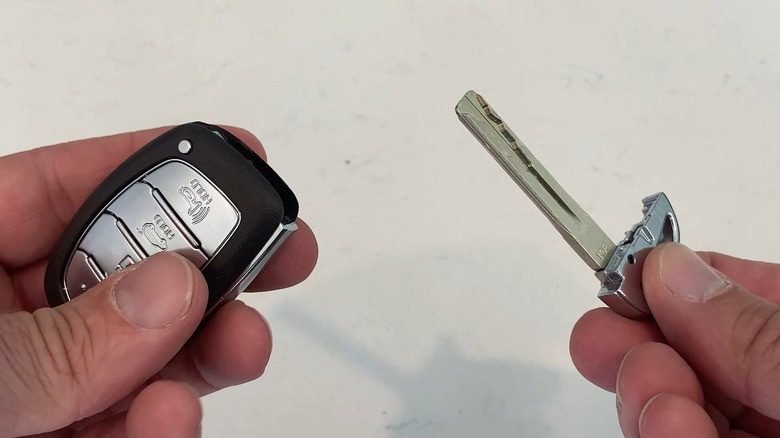
    If your electronic fob has completely lost power, the first step is to locate the physical key hidden inside the plastic housing. Every proximity fob and smart key, regardless of the manufacturer, contains a laser-cut emergency blade.

    Take a close look at the back or the bottom edge of your key fob. You are looking for a small mechanical slide switch or a textured release button. When you push and hold this tiny switch, you can grip the metal key ring loop at the top of the fob and pull firmly. A physical metal key blade will slide straight out of the plastic casing. This blade is precisely cut to match the specific lock cylinders installed on your vehicle’s doors and boot.

    Step 2: Locating the Concealed Door Keyhole

    Once you have the mechanical key in hand, you must find the keyhole on the car itself. On vehicles manufactured before 2010, the mechanical cylinder was usually proudly displayed directly beneath the driver’s side door handle. On newer models, this lock is completely invisible, hidden behind a painted plastic cap at the rear end of the driver’s side door handle assembly.

    To reveal the lock, you must carefully pry off this plastic cover. Look underneath the rear portion of the door handle. You will typically find a small rectangular slot specifically designed for the tip of your emergency key blade.

    Insert the tip of the metal blade into this slot and gently push upward while pulling the plastic cap outward. It is designed to pop off cleanly, exposing the traditional mechanical lock cylinder underneath. Be incredibly gentle during this process; using excessive force or a screwdriver can easily crack the plastic housing or heavily scratch the surrounding paintwork. If the cap feels brittle, particularly in freezing weather, proceeding with caution is paramount.

    Once the cap is removed, simply insert the mechanical blade into the cylinder and turn it to unlock the driver’s door.

    Step 3: Starting a Push-Button Car With a Dead Fob

    Gaining entry to the cabin is only half the battle. If your fob is dead, pressing the ‘Engine Start/Stop’ button on the dashboard will usually result in a dashboard warning stating “Key Not Detected.”

    Push-to-start vehicles do not have a traditional ignition cylinder where you can insert your newly extracted mechanical key. Instead, they rely on an internal RFID (Radio Frequency Identification) transponder chip located inside the plastic fob. The brilliant engineering behind this system is that the RFID chip itself does not require any battery power to transmit its unique security code. It is passively powered by a magnetic field generated by the car.

    However, because the fob’s battery is dead, it cannot broadcast its signal across the cabin. You must place the transponder chip in direct physical contact with the vehicle’s backup reader. The location of this reader varies by manufacturer:

    • The Start Button: On many vehicles, you must use the physical plastic key fob itself to physically push the ‘Start/Stop’ button. Pushing the button with the fob places the transponder chip directly against the internal antenna.
    • The Steering Column: Some models have a designated target ring located on the plastic cladding of the steering column, right where a traditional keyhole would sit. Hold the fob flat against this icon while pressing the start button.
    • The Centre Console or Glovebox: Certain vehicles feature a dedicated slot hidden at the bottom of the centre console storage bin or inside the glovebox. Slotting the dead fob into this recess aligns it perfectly with the backup reader, allowing the engine immobiliser to disengage.

    If you cannot locate the backup reader, consulting your owner’s manual under the section for “Starting engine with discharged key” will provide the exact location for your specific make and model.

    Why the Emergency Door Lock Fails (The Disuse Seizure)

    There is a significant caveat to relying on this physical failsafe. Because modern drivers use their electronic fobs exclusively, the mechanical lock cylinder on the driver’s door can easily go five to ten years without ever having a key inserted into it.

    Over time, road grit, salt, and dust work their way into the microscopic gaps of the door handle. Without regular movement to keep the internal pins lubricated, the brass components inside the lock cylinder corrode and seize solid. When the day finally comes that the fob battery dies and you insert the emergency blade, you may find that the physical key absolutely refuses to turn.

    Forcing a seized lock will instantly snap the emergency blade in half, leaving you completely stranded with a piece of metal wedged inside the door. To prevent this, it is vital to apply a PTFE-based dry lubricant into the hidden door lock at least once a year and manually turn the mechanism to ensure it remains functional.

    If you attempt to use your emergency blade and encounter hard resistance, stop immediately. At this stage, the mechanical failsafe has failed, and the situation requires professional automotive locksmith diagnostics. A technician will need to cleanly extract the broken blade if snapped, chemically unseize the rusted internal wafers, or utilise non-destructive entry methods to bypass the door entirely. Furthermore, if the transponder chip inside your fob has suffered physical damage alongside the dead battery, an expert will be required to supply and programme a replacement transponder key directly into your vehicle’s onboard computer system.