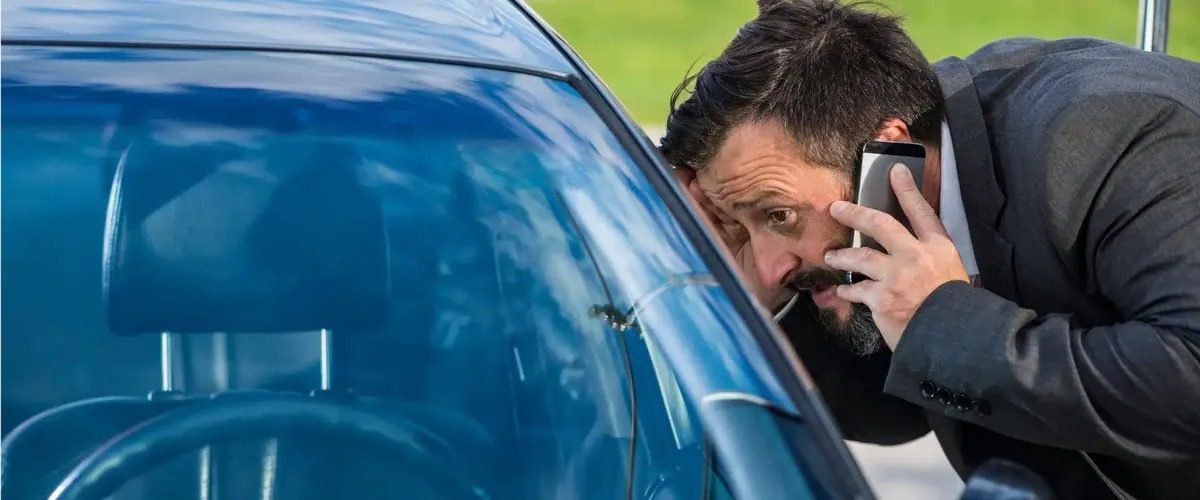
Turangi is world-renowned as the trout fishing capital of New Zealand and the ultimate basecamp for exploring the Tongariro National Park. Whether you are tackling the famous Alpine Crossing, mountain biking the local trails, or spending a quiet morning waist-deep in the Tongariro River, the outdoor lifestyle here is unmatched. But that rugged environment comes with a unique set of risks. Picture returning to your vehicle at the end of an exhausting, exhilarating day, reaching into your waterproof jacket, and realizing your car keys are gone.
Losing your keys in a remote outdoor setting triggers a very specific kind of anxiety. You aren’t just locked out in a suburban driveway; you are potentially stranded at an isolated trailhead with fading daylight. However, being stuck without a key in the Turangi region does not mean your vehicle has to be abandoned or that your trip is ruined. Understanding how modern automotive security works and knowing exactly who to call can turn a major wilderness disaster into a rapidly solved problem.
The Reality of Modern Automotive Keys
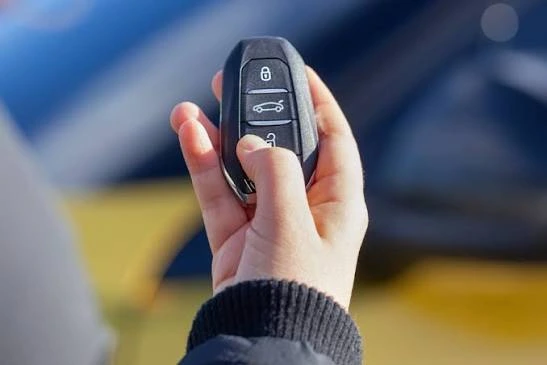
In decades past, losing a car key meant a simple trip to a hardware store with a spare, or manually decoding a basic mechanical lock. Today, automotive security is highly advanced. Your vehicle’s key is a sophisticated piece of electronic hardware. Even standard-looking keys contain hidden transponder chips that communicate via radio frequency with your car’s immobilizer system. If the car’s internal computer doesn’t recognize the exact encrypted signal from the chip, the engine simply will not start, no matter what turns the ignition cylinder.
This technological advancement makes vehicles incredibly difficult to steal, but it drastically complicates a lost key scenario. Furthermore, if you drop a smart fob into the Tongariro River or a muddy puddle on a hiking trail, the electronic internals will likely short-circuit. Even if you miraculously retrace your steps and find the submerged key hours later, the water damage will often render the remote locking and transponder functions completely useless.
Immediate Steps When Your Keys Go Missing
When the realization hits that your keys are gone, adrenaline often takes over. It is vital to stay methodical. Before assuming the worst, meticulously unpack your gear. Keys have a habit of slipping through torn pocket linings into the hems of jackets or hiding at the very bottom of densely packed hiking frames.
If a thorough search yields nothing, take the following steps:
- Secure your vehicle: Check to see if your car is actually locked. If it is unlocked, do not leave valuables visible. If you must walk to find cell reception, take your most important items with you.
- Check local hubs: If you were near a popular spot like the Turangi i-SITE, a local cafe, or a Department of Conservation hut, ask if anyone has handed in a set of keys.
- Gather your vehicle details: Note down your license plate (rego), the exact make and model, the year of manufacture, and your precise location or GPS coordinates. You will need this information to request emergency assistance.
Why Dealership Towing is a Costly Trap
The instinct for many drivers is to call their dealership. In a remote location, this is almost always the most expensive and time-consuming route. Dealerships require the vehicle to be physically present in their service bay to program new keys. This means you have to pay for a specialized tow truck to haul your car from a Turangi trailhead all the way to a major dealership, which might be an hour away in Taupō or even further.
Once the car arrives, dealerships rarely prioritize emergency walk-ins. You might be forced to wait days for a replacement fob to be ordered from an overseas warehouse, leaving you to foot the bill for unexpected accommodation and alternative transport while your car sits in a holding lot.
The Mobile Auto Locksmith Advantage
The most efficient solution to a lost key in an outdoor hub is utilizing a specialized mobile locksmith in Turangi. Instead of dragging your vehicle to a workshop, the workshop comes directly to your vehicle. Mobile auto technicians drive fully outfitted vans equipped with the exact same diagnostic software, key cutting machinery, and blank transponder keys that the dealerships use.
Because they are locally based and focused entirely on emergency response, a mobile technician can navigate to your specific location—whether you are parked at a designated campsite, a river access road, or a local motel. This completely eliminates the exorbitant towing fees and cuts the resolution time down from days to mere hours.
The On-Site Key Replacement Process
You might wonder how a technician creates a key from scratch without an original to copy. Professional auto locksmiths use a precise, non-destructive method to get you back on the road safely.
- Decoding the lock: The technician uses specialized tools to read the depths and positions of the pins inside your car’s door lock cylinder, allowing them to cut a perfectly matching physical key blade on the spot.
- Computer programming: They connect an advanced diagnostic tablet to your vehicle’s OBD2 port (the onboard computer). This grants them authorized access to the immobilizer system.
- Syncing the transponder: The technician programs the fresh transponder chip or smart fob to match your car’s specific digital immobilizer code.
- Erasing lost keys: For your complete security, the locksmith will command the car’s computer to unpair the lost keys. Even if someone finds your old keys on the trail, they will no longer be able to start your engine or unlock the doors.