The paperwork is finalized, the massive moving truck is finally unloaded, and the real estate agent has officially handed over the keys to your new property. It is a moment of immense relief and accomplishment. However, as you lock the front door for your first night in the new house, a critical security question often goes completely unasked: exactly how many copies of that key currently exist in the world?
Securing a newly purchased property should never rely on the honor system. Ensuring that your family and your assets are protected requires establishing a completely clean security slate from the very first day of ownership.
The Vulnerability of the Unknown Key Chain
When you receive a set of keys at settlement, you are simply receiving the keys that the previous owner remembered they had. Over the lifespan of a standard residential property, keys are duplicated and distributed at an astonishing rate.
Consider the sheer volume of people who may have required temporary access to the house over the last decade. Previous owners routinely hand out spare keys to extended family members, trusted neighbors for holiday plant watering, dog walkers, and regular cleaning services. Furthermore, if the house underwent any renovations before the sale, various contractors, plumbers, and electricians likely had unescorted access. There is no central registry for duplicated mechanical keys. Once a standard brass key is handed over, it can be copied at any local hardware store kiosk in minutes. Assuming you are the sole possessor of access to your new home is a massive, unnecessary security blind spot.
The Mechanical Solution: Understanding the Rekeying Process
The most common misconception among new homeowners is that establishing a new security baseline requires ripping out every piece of hardware on the exterior doors and purchasing entirely new locksets. This is rarely the case. Unless the existing door handles and deadbolts are physically degraded or aesthetically displeasing, the most cost-effective and efficient solution is rekeying.
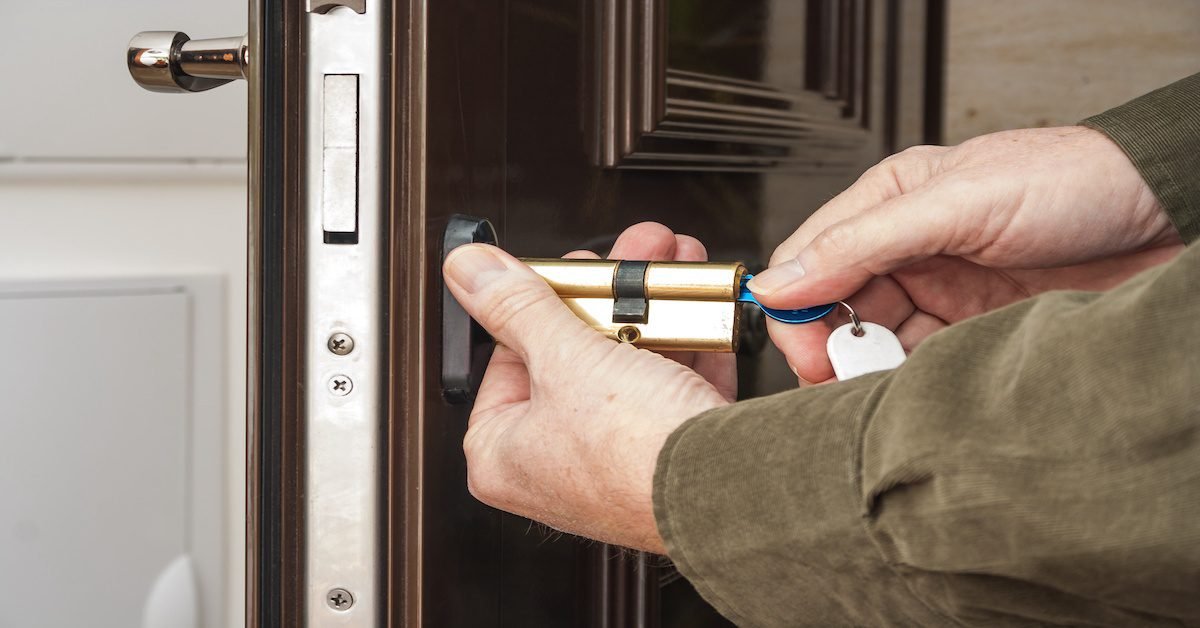
Rekeying is a precision internal modification. A professional from Near Me Locksmith will extract the lock cylinder from your existing hardware. Inside this cylinder is a specific configuration of driver pins and key pins of varying lengths. The technician discards the old pins and installs a brand-new matrix of pins that precisely matches the cuts of a newly generated key.
The heavy metal housing, the strike plate, and the exterior appearance of your door remain exactly the same. However, the internal shear line has been completely altered. The moment the new pins are set, every single old key circulating in the neighborhood instantly becomes a useless piece of scrap metal. It will slide into the keyway, but it will absolutely refuse to turn.
When Full Lock Replacement Becomes Necessary
While rekeying is the industry standard for new property handovers, there are specific scenarios where replacing the entire locking mechanism is the correct protocol.
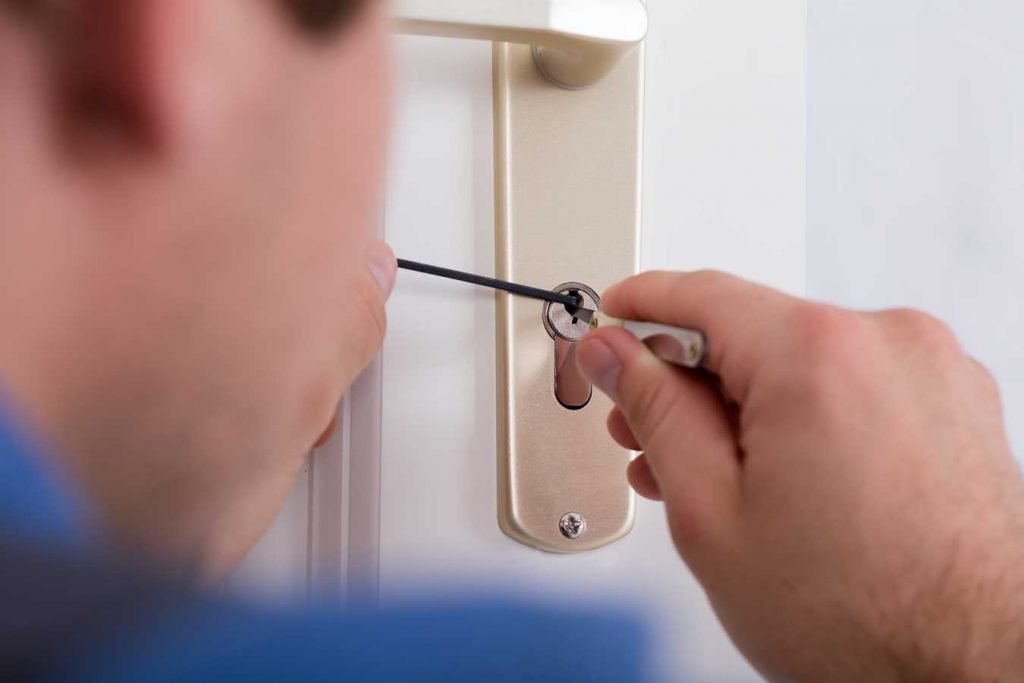
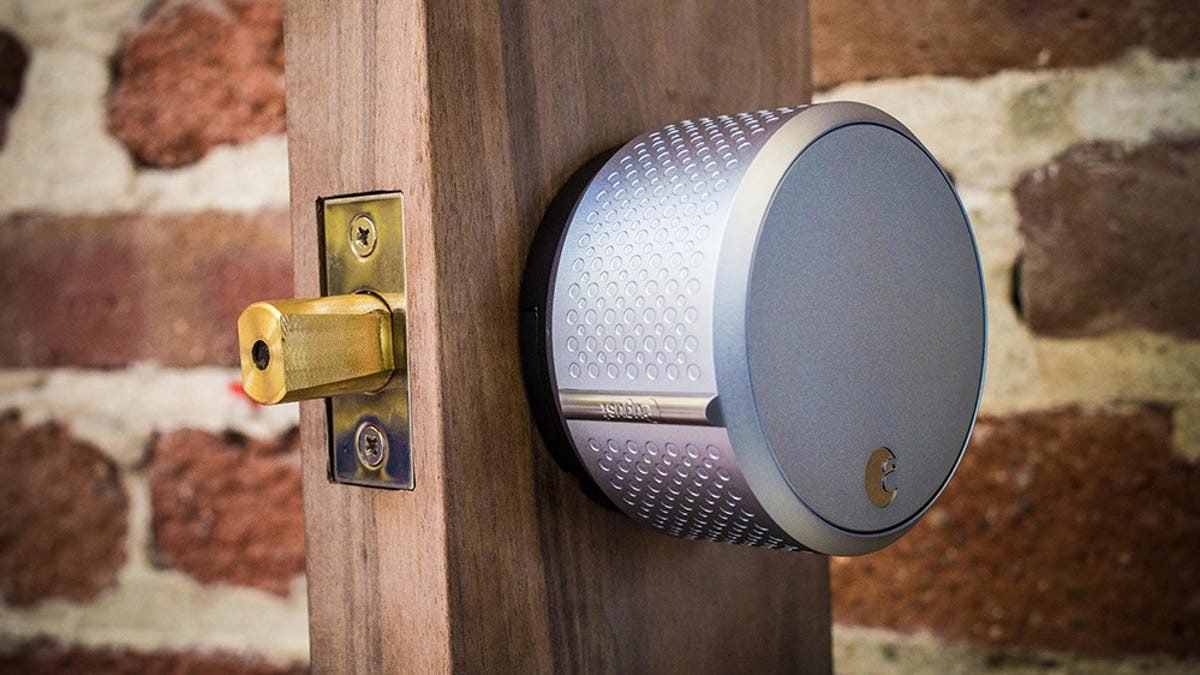
If the previous owners neglected basic hardware maintenance, the internal mechanisms might be heavily rusted or suffering from metal fatigue. A deadbolt that requires you to aggressively push or lift the door just to turn the key is a liability that will eventually fail. Upgrading your hardware is also necessary if the existing locks utilize outdated, low-security keyways that are easily bypassed by basic lock-picking tools. Moving into a new house is the perfect opportunity to upgrade to heavy-duty, pick-resistant cylinders or transition to modern smart lock technology.
Navigating Unfamiliar Hardware During the Move ‘
The chaos of moving day introduces unique logistical challenges. You are navigating an unfamiliar floor plan, dealing with heavy furniture, and interacting with doors and locks you have never used before. Every house settles differently, and unfamiliar weather stripping or sticky latches can easily catch you off guard.
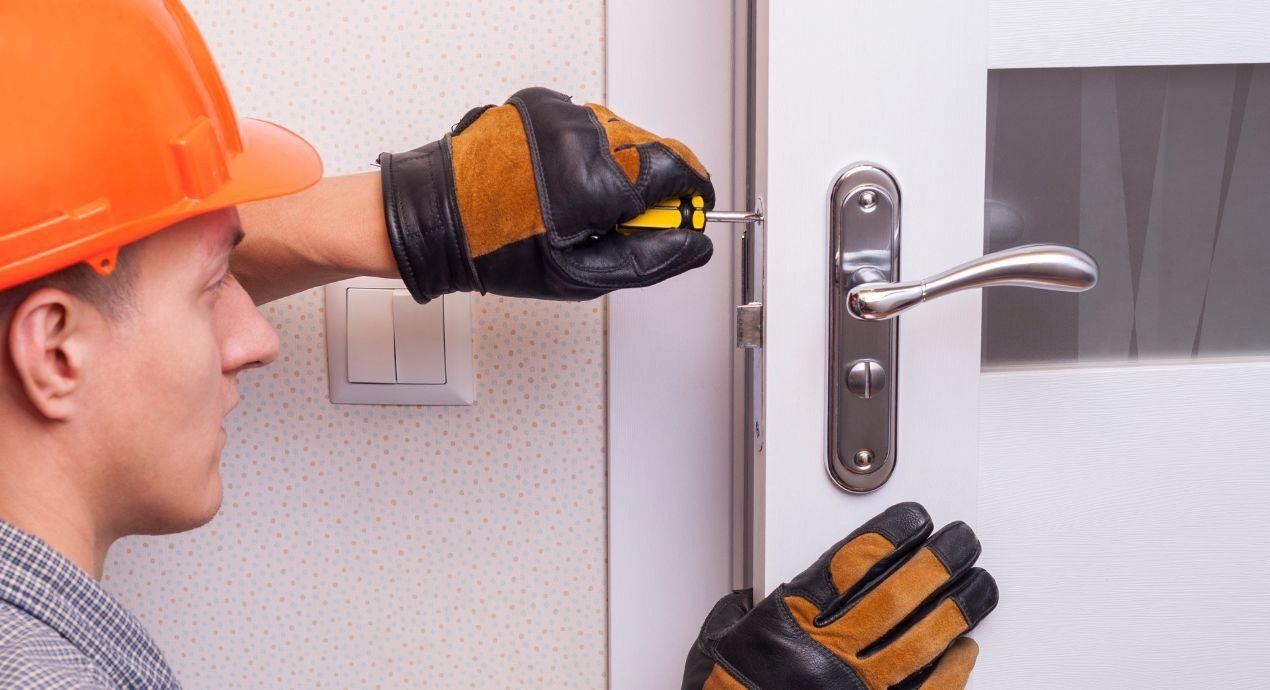
It is incredibly common for new homeowners to accidentally lock themselves out while running back and forth to the moving truck. A heavy gust of wind or an automatic locking knob can instantly leave you stranded on your own new front porch. If this happens, do not attempt to force a window or break the lock. Utilizing specialized, damage-free house lockout bypassing techniques guarantees that your newly purchased doors and frames remain in pristine condition while you regain entry.
Evaluating High-Value and Mixed-Use Spaces
The security requirements of your new property extend beyond the front door. If you are converting the garage into a high-value workshop, storing expensive inventory, or setting up a dedicated home office for a remote business, standard residential hardware might not meet your insurance requirements or personal security needs.
For areas housing sensitive client data or expensive equipment, upgrading the access points with specialized, high-grade commercial locking solutions ensures that your professional assets are isolated and protected against unauthorized entry, even if someone manages to bypass the primary residential perimeter.
Take control of your property’s security footprint immediately. Schedule a lock cylinder modification the same day you take possession of the property, ensuring that the only people who can unlock your front door are the people you explicitly authorize.