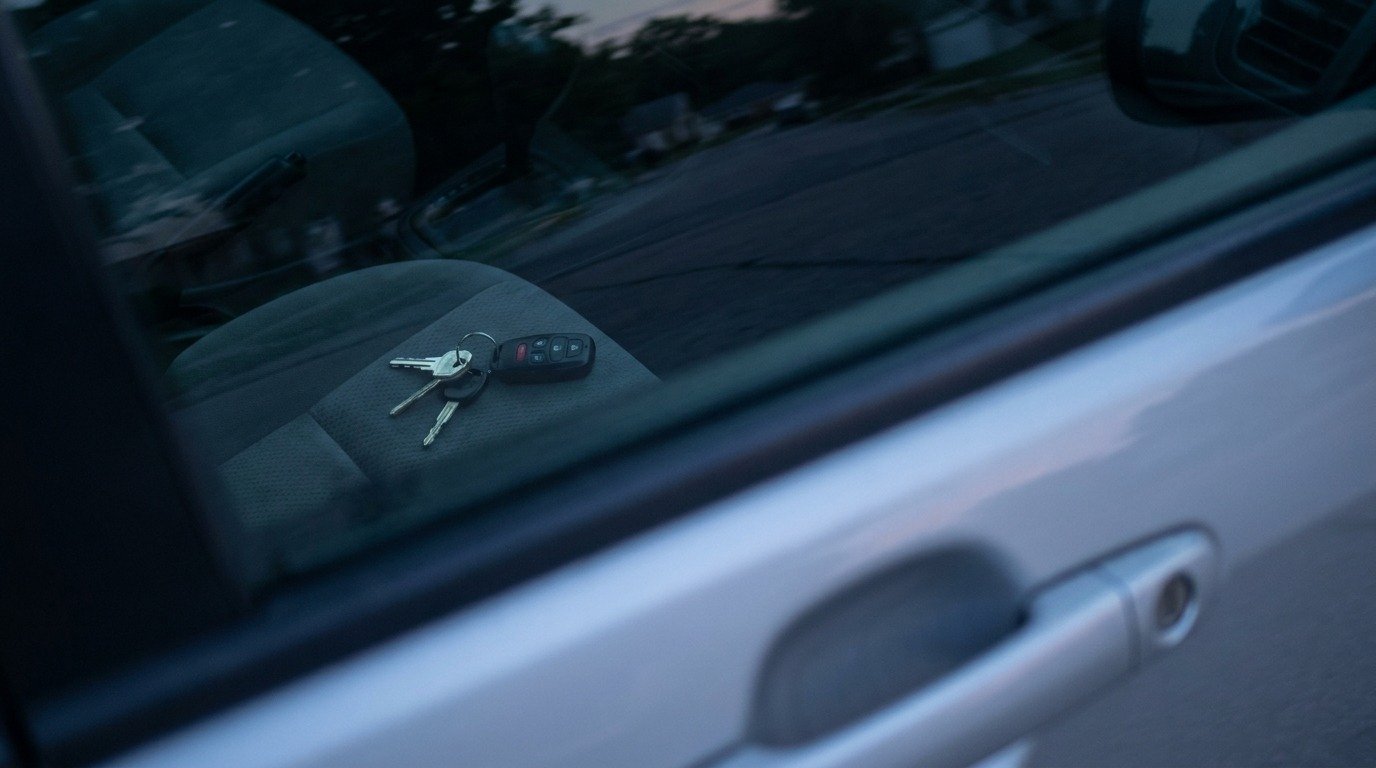
The moment you realise your keys are sitting on the driver’s seat and the doors are securely locked, panic inevitably sets in. In a desperate bid to get back on the road without spending any money, most drivers immediately turn to their smartphones to search for quick, do-it-yourself entry methods. The internet is flooded with viral videos and articles demonstrating how everyday items, most notably a simple shoelace or a wire coat hanger, can magically bypass vehicle security.
But can you actually unlock a car door with a piece of string? While these hacks have a root in reality, applying them to modern vehicles is not only incredibly frustrating but also highly destructive. Relying on outdated internet myths often turns a minor inconvenience into a massive repair bill. Understanding how modern vehicle security systems operate is the first step in recognising why you need safe car lockout solutions rather than a makeshift wedge and a prayer.
The Origin of the Shoelace Trick (And Why It Is Obsolete)
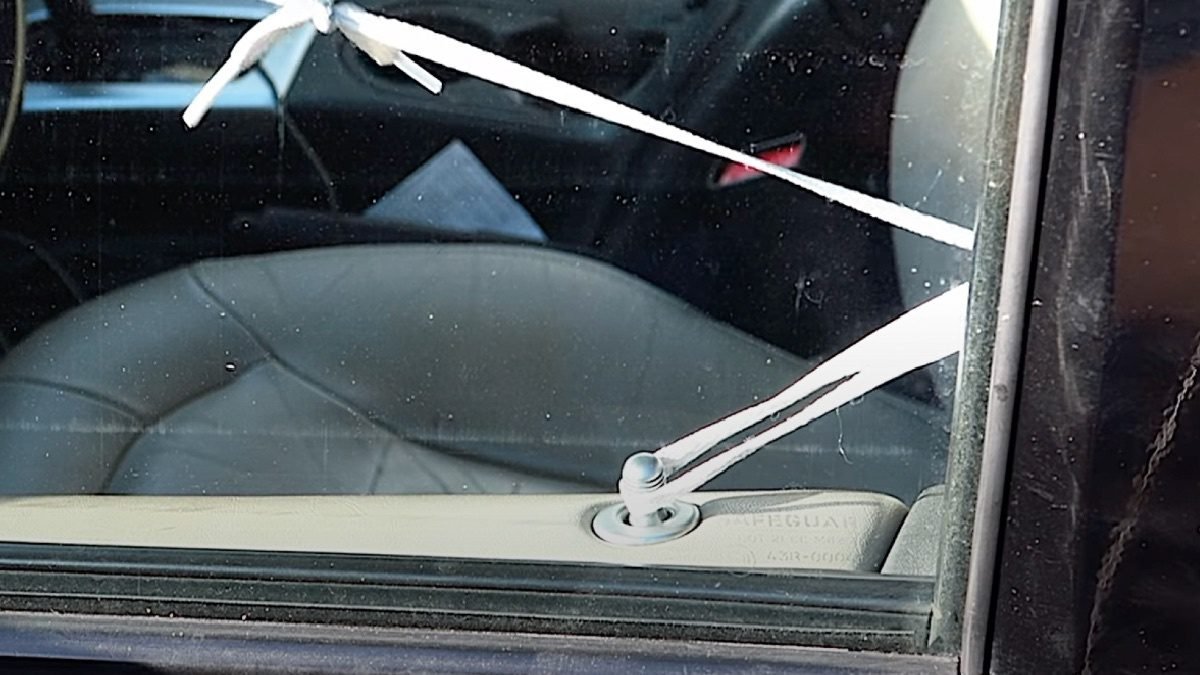
The legendary shoelace trick is not a complete fabrication. If you are driving a vehicle manufactured in the 1980s or 1990s, this method was genuinely effective. The technique involves taking a long shoelace, tying a tight slipknot in the centre to create a small loop, and physically flossing the string through the corner of the door frame until it drops inside the cabin.
From there, the objective is to manoeuvre the loop over the vertical, golf-tee-shaped locking post that sits on the interior door sill, pull the string tight to grip the plastic post, and pull upwards to disengage the lock.
The Disappearance of the Vertical Post Lock
The reason this trick is completely obsolete today is due to the evolution of automotive design. Car manufacturers recognised that if a driver could easily lasso the locking post with a shoelace, thieves could do the exact same thing with a piece of wire.
Consequently, modern vehicles simply do not use protruding vertical post locks anymore. Today’s cars feature locks that sit entirely flush with the door panel when engaged, or they utilise electronic locking switches integrated into the door handle itself. There is absolutely nothing for a shoelace to grip. Attempting this trick on a vehicle built in the last two decades is an exercise in futility that will only waste your time while you stand stranded in a car park.
The Hidden Costs of Forced DIY Car Lockout Hacks
When the shoelace trick inevitably fails, drivers often escalate their efforts, resorting to makeshift wedges, screwdrivers, and wire coat hangers. This is where a simple mistake transforms into expensive, permanent damage. When you bypass the need for professional vehicle unlocking services and attempt forced entry, you are risking several delicate components of your car’s anatomy.
Tearing the Weatherstripping and Window Seals
To get a wire hanger or a metal rod inside the car, you first have to create a gap. Drivers often jam screwdrivers or wooden wedges between the top of the door frame and the body of the car, or they slide metal tools straight down the glass into the door cavity.
Modern vehicles are fitted with highly engineered rubber weatherstripping designed to keep out rain, insulate the cabin from extreme temperatures, and cancel out road noise. Shoving a makeshift tool past these rubber seals almost always results in tearing or permanently stretching the material. Once the weatherstripping is compromised, your vehicle will suffer from chronic wind whistling at motorway speeds and is susceptible to water ingress, which can flood the footwells during heavy rain. Replacing a factory window seal can easily cost hundreds of dollars, far exceeding the price of hiring an expert.
Scratching the Paint and Bending the Door Frame
Using a metal screwdriver as a lever to pry open your door frame is a guaranteed way to inflict deep gouges in your vehicle’s paintwork. These scratches often go right down to the bare metal, inviting rust and corrosion if not professionally touched up.
Furthermore, the upper window frames of modern car doors are surprisingly malleable. Applying too much leverage with a makeshift wedge will permanently spring the door frame outward. Even after you retrieve your keys, the door will never sit flush against the car body again, leaving a permanent, visible gap.
Damaging Internal Door Wiring and Side Airbags
The most severe damage occurs when drivers attempt to use the “Slim Jim” method, sliding a piece of metal down the window cavity to manually trigger the locking rod.
In older, purely mechanical cars, this was a straightforward process. In a modern vehicle, the space inside your door panel is packed tightly with complex, fragile components. It houses the electric window regulators, the central locking wiring harness, acoustic insulation, and crucially, the impact sensors for your side-curtain airbags.
Blindly fishing around inside the door cavity with a wire coat hanger can easily sever the wiring loom for your electric windows, disconnect the central locking motor, or inadvertently trigger an airbag sensor. A severed wiring harness requires the entire interior door panel to be removed and painstakingly rewired by an auto electrician.
Why Modern Vehicle Security Demands Specialised Access?
Automotive security has advanced to the point where many vehicles now feature deadlocking systems. When deadlocked, the interior door handles and electronic unlock buttons are completely disabled if the car was locked from the outside using the key fob. Even if you manage to pry the door open wide enough to poke a stick inside and press the unlock button, the car’s computer will refuse to disengage the locks.
This level of security is brilliant for deterring theft, but it renders DIY hacks completely useless. Gaining entry requires specialised diagnostic tools, air wedges that distribute pressure evenly without bending the frame, and highly calibrated Lishi picks that can decode the physical lock cylinder on the exterior of the door.
The Value of Damage-Free Entry Solutions
When you find yourself staring through the glass at your keys, the most cost-effective and logical step is to step away from the vehicle and resist the urge to pry it open yourself. Modern automotive engineering is specifically designed to defeat screwdrivers, coat hangers, and shoelaces.
Calling for emergency auto lockout assistance guarantees that an expert equipped with the correct, non-destructive tools will handle the situation. Technicians understand the exact internal layout of different door panels and know precisely how to bypass the locking mechanism without triggering security deadlocks, scratching the paint, or tearing the waterproof seals. Prioritising a clean, professional entry method protects the structural integrity of your vehicle and ensures that a temporary lapse in memory does not result in a permanent repair bill.