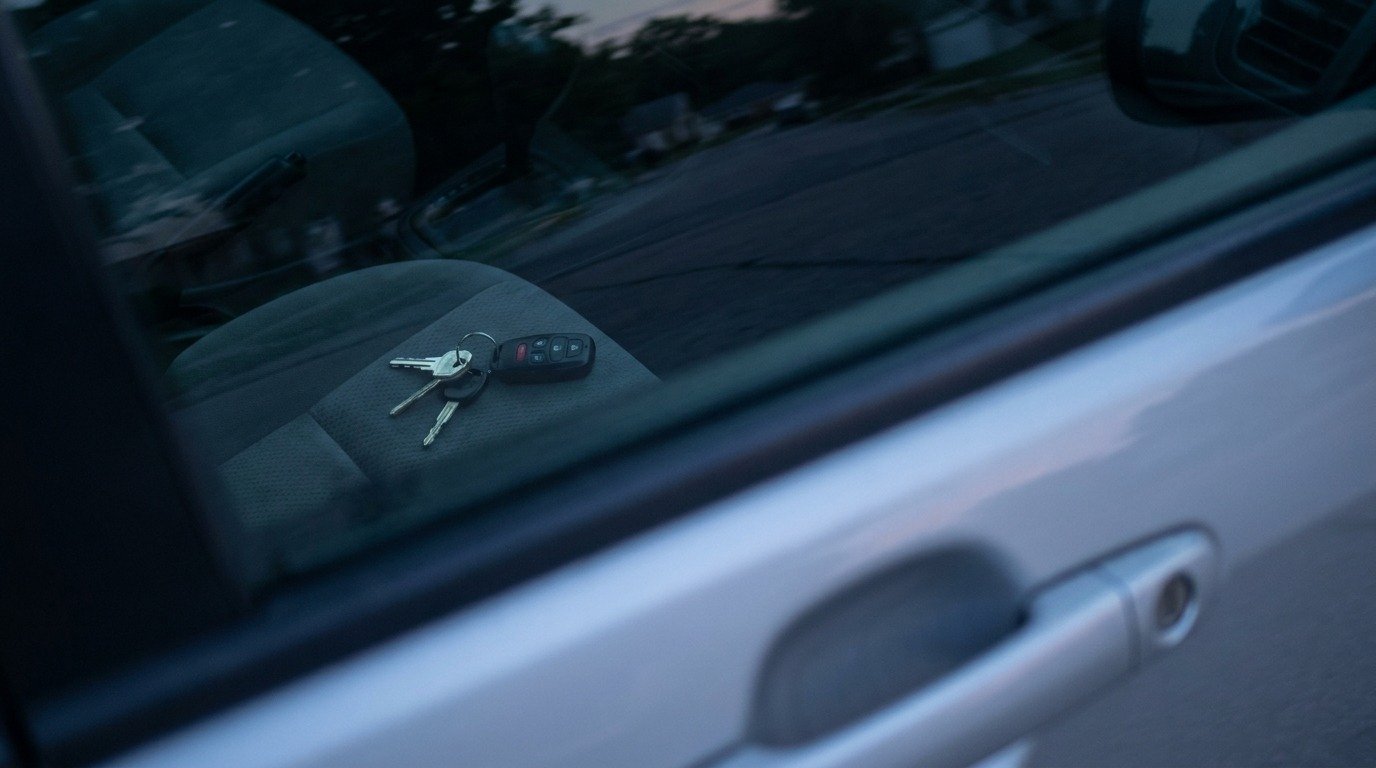
The shift towards completely keyless entry systems and push-to-start ignitions has fundamentally changed how we interact with our vehicles. Most modern drivers leave their smart fobs at the bottom of a bag or deep in a coat pocket, relying on proximity sensors to automatically unlock the doors as they approach. This seamless routine is fantastic, until the day you press the button on the door handle, and the car remains entirely unresponsive.
When a smart fob battery dies unexpectedly, the immediate reaction is often panic. The vehicle appears completely sealed, and modern automotive design dictates that mechanical keyholes are intentionally hidden to maintain a sleek, uninterrupted aesthetic along the exterior doors. However, automotive engineers always build in physical failsafes for exactly this scenario. Understanding how to bypass the dead electronics and access the concealed mechanical lock is essential to avoiding an unnecessary call for an emergency car unlocking service.
Step 1: Extracting the Emergency Mechanical Key
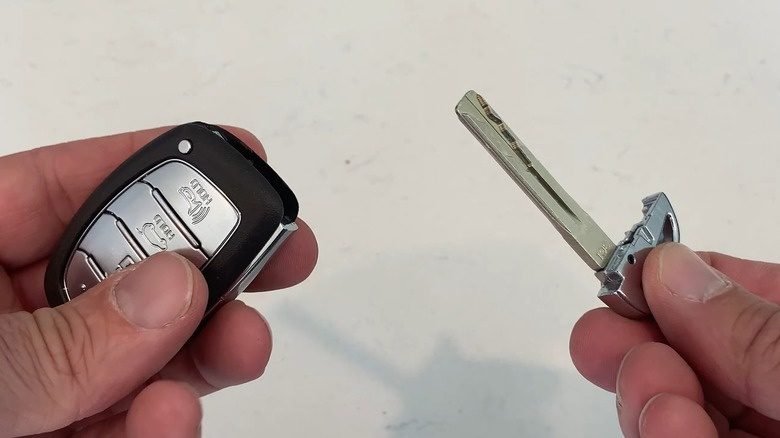
If your electronic fob has completely lost power, the first step is to locate the physical key hidden inside the plastic housing. Every proximity fob and smart key, regardless of the manufacturer, contains a laser-cut emergency blade.
Take a close look at the back or the bottom edge of your key fob. You are looking for a small mechanical slide switch or a textured release button. When you push and hold this tiny switch, you can grip the metal key ring loop at the top of the fob and pull firmly. A physical metal key blade will slide straight out of the plastic casing. This blade is precisely cut to match the specific lock cylinders installed on your vehicle’s doors and boot.
Step 2: Locating the Concealed Door Keyhole
Once you have the mechanical key in hand, you must find the keyhole on the car itself. On vehicles manufactured before 2010, the mechanical cylinder was usually proudly displayed directly beneath the driver’s side door handle. On newer models, this lock is completely invisible, hidden behind a painted plastic cap at the rear end of the driver’s side door handle assembly.
To reveal the lock, you must carefully pry off this plastic cover. Look underneath the rear portion of the door handle. You will typically find a small rectangular slot specifically designed for the tip of your emergency key blade.
Insert the tip of the metal blade into this slot and gently push upward while pulling the plastic cap outward. It is designed to pop off cleanly, exposing the traditional mechanical lock cylinder underneath. Be incredibly gentle during this process; using excessive force or a screwdriver can easily crack the plastic housing or heavily scratch the surrounding paintwork. If the cap feels brittle, particularly in freezing weather, proceeding with caution is paramount.
Once the cap is removed, simply insert the mechanical blade into the cylinder and turn it to unlock the driver’s door.
Step 3: Starting a Push-Button Car With a Dead Fob
Gaining entry to the cabin is only half the battle. If your fob is dead, pressing the ‘Engine Start/Stop’ button on the dashboard will usually result in a dashboard warning stating “Key Not Detected.”
Push-to-start vehicles do not have a traditional ignition cylinder where you can insert your newly extracted mechanical key. Instead, they rely on an internal RFID (Radio Frequency Identification) transponder chip located inside the plastic fob. The brilliant engineering behind this system is that the RFID chip itself does not require any battery power to transmit its unique security code. It is passively powered by a magnetic field generated by the car.
However, because the fob’s battery is dead, it cannot broadcast its signal across the cabin. You must place the transponder chip in direct physical contact with the vehicle’s backup reader. The location of this reader varies by manufacturer:
- The Start Button: On many vehicles, you must use the physical plastic key fob itself to physically push the ‘Start/Stop’ button. Pushing the button with the fob places the transponder chip directly against the internal antenna.
- The Steering Column: Some models have a designated target ring located on the plastic cladding of the steering column, right where a traditional keyhole would sit. Hold the fob flat against this icon while pressing the start button.
- The Centre Console or Glovebox: Certain vehicles feature a dedicated slot hidden at the bottom of the centre console storage bin or inside the glovebox. Slotting the dead fob into this recess aligns it perfectly with the backup reader, allowing the engine immobiliser to disengage.
If you cannot locate the backup reader, consulting your owner’s manual under the section for “Starting engine with discharged key” will provide the exact location for your specific make and model.
Why the Emergency Door Lock Fails (The Disuse Seizure)
There is a significant caveat to relying on this physical failsafe. Because modern drivers use their electronic fobs exclusively, the mechanical lock cylinder on the driver’s door can easily go five to ten years without ever having a key inserted into it.
Over time, road grit, salt, and dust work their way into the microscopic gaps of the door handle. Without regular movement to keep the internal pins lubricated, the brass components inside the lock cylinder corrode and seize solid. When the day finally comes that the fob battery dies and you insert the emergency blade, you may find that the physical key absolutely refuses to turn.
Forcing a seized lock will instantly snap the emergency blade in half, leaving you completely stranded with a piece of metal wedged inside the door. To prevent this, it is vital to apply a PTFE-based dry lubricant into the hidden door lock at least once a year and manually turn the mechanism to ensure it remains functional.
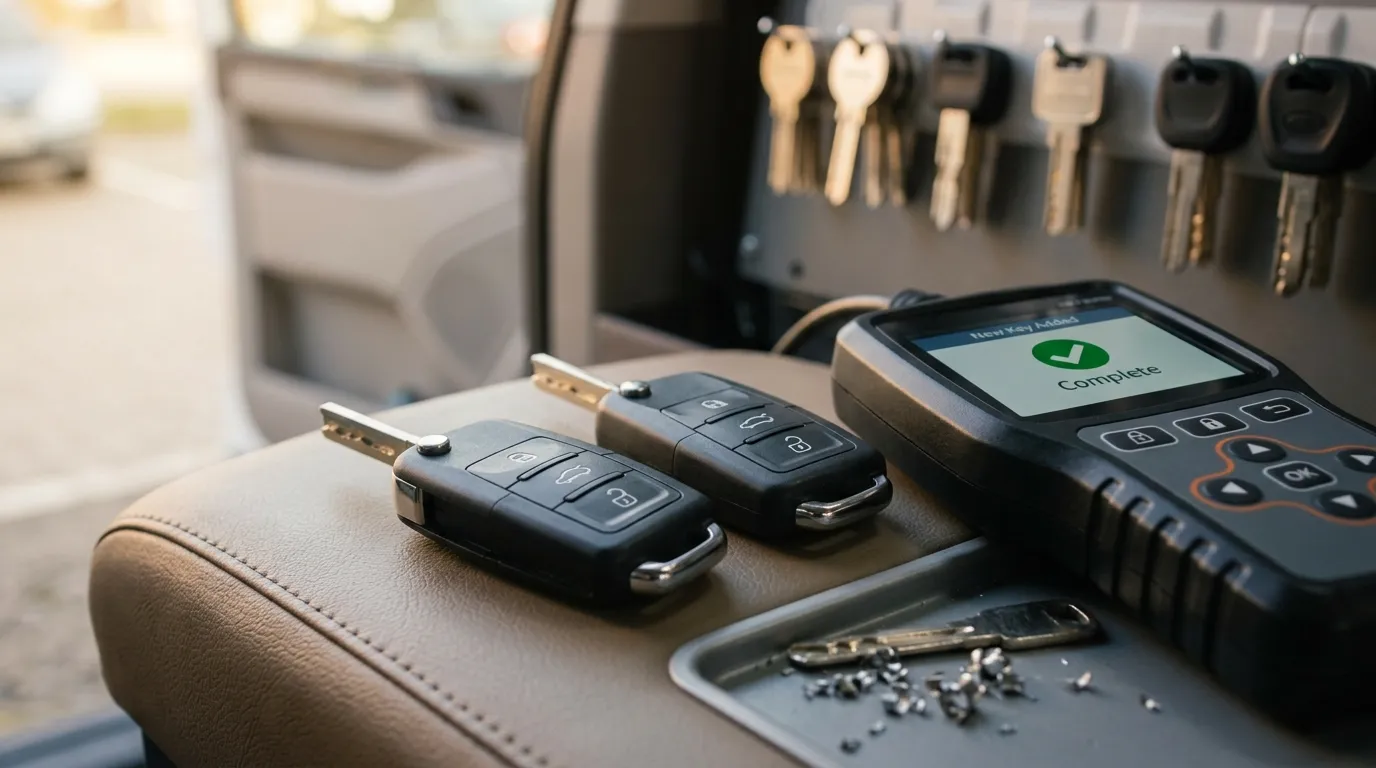
If you attempt to use your emergency blade and encounter hard resistance, stop immediately. At this stage, the mechanical failsafe has failed, and the situation requires professional automotive locksmith diagnostics. A technician will need to cleanly extract the broken blade if snapped, chemically unseize the rusted internal wafers, or utilise non-destructive entry methods to bypass the door entirely. Furthermore, if the transponder chip inside your fob has suffered physical damage alongside the dead battery, an expert will be required to supply and programme a replacement transponder key directly into your vehicle’s onboard computer system.