Turning a car key feels simple, but quite a bit happens inside the lock and ignition mechanism when you do it. A traditional key physically moves components inside the lock, while modern vehicles may also use electronic systems to confirm that the correct key is being used.
Understanding the basics can make unusual key or ignition behaviour easier to recognise.
How Does a Traditional Car Lock Work?
Inside a conventional lock are several small components that need to align correctly before the mechanism can turn.
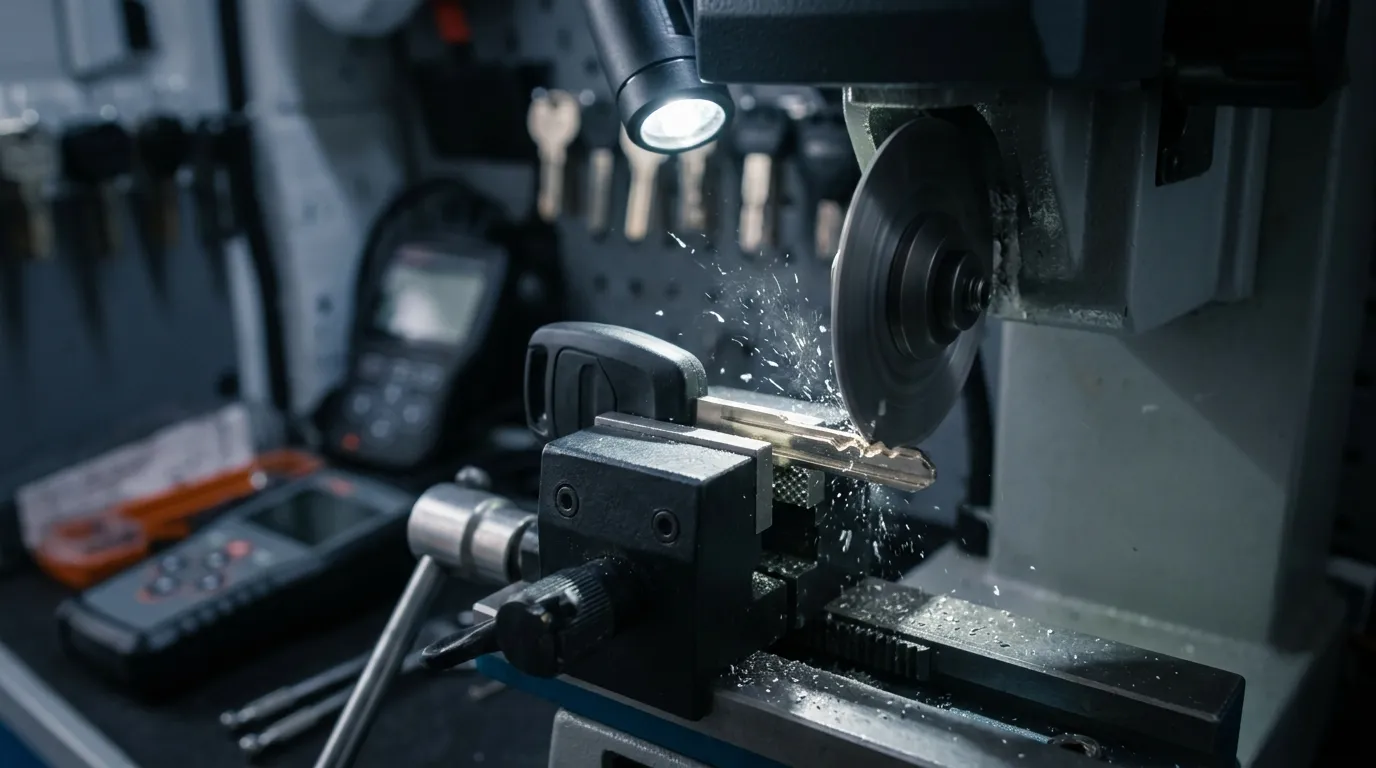
The cuts along the key are designed to interact with these components. When the correct key is inserted, the internal parts move into the required position, allowing the lock cylinder to rotate.
If the wrong key is used, the components won’t align properly, preventing the cylinder from turning.
What Happens When You Turn the Key?
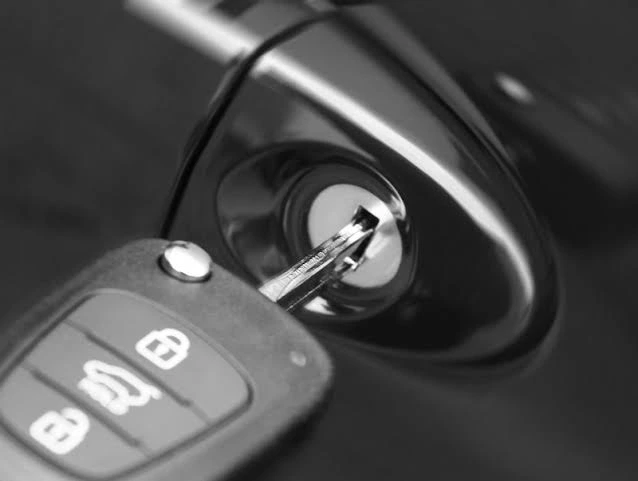
Once the correct key has aligned the internal mechanism, turning it rotates the lock cylinder.
In a door lock, this movement operates the mechanism that locks or unlocks the door. In an ignition, turning the key moves the ignition mechanism through different positions.
Depending on the vehicle, these positions can control functions such as the electrical system, accessories, and engine-starting circuit.
Why Can a Key Become Difficult to Turn?
If a key suddenly feels stiff or requires more force than usual, the key itself isn’t always responsible.
The key may be worn, bent, or damaged. However, the internal components of the lock or ignition can also become worn over time.
Dirt or debris can contribute to the problem as well. Continuing to force a stiff key can make the situation worse and may eventually result in a broken key.
If the difficulty occurs specifically when starting the vehicle, it’s worth considering whether the ignition mechanism needs attention. Our ignition repair and replacement service provides more information about common ignition-related problems.
Modern Cars Add an Electronic Layer
Physical movement isn’t the whole story with many newer vehicles.
Modern car keys can contain electronic components that communicate with the vehicle’s security system. Even if the physical key turns correctly, the vehicle may still need to recognise the electronic identification before allowing the engine to start.
This is one reason a key can physically fit the ignition but still fail to start the vehicle.
You can learn more about vehicle key systems through our automotive services.
What If the Key Won’t Turn at All?
Don’t immediately assume that the key needs to be forced.
First, check whether the steering wheel is putting pressure on the locking mechanism, particularly if the vehicle has a traditional ignition. Gently moving the steering wheel while applying light pressure to the key may sometimes release that tension.
If the key remains stuck or the problem keeps returning, it’s better to have the key and ignition checked rather than repeatedly applying force.
Small Problems Can Become Bigger Ones
A key that feels different from normal is worth paying attention to. Increased resistance, inconsistent operation, or difficulty turning can indicate wear in either the key or the mechanism itself.
Identifying the cause early can help prevent a situation where the key becomes completely unusable or breaks inside the lock or ignition.