
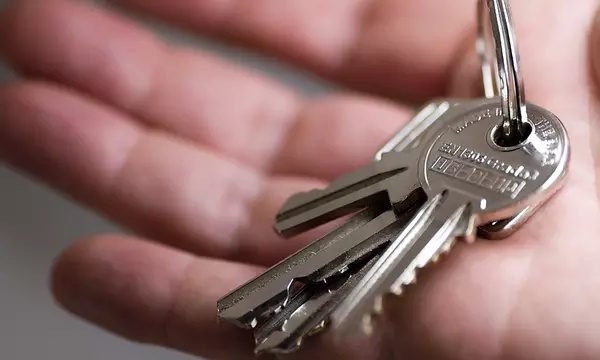
When a staff member resigns or is terminated, human resources and management immediately initiate a standard offboarding protocol. This checklist typically involves revoking email access, collecting company hardware, and, crucially, retrieving physical keys to the building. Once the physical key is handed over and logged, business owners often consider the premises secure.
However, relying solely on key retrieval is a critical vulnerability in commercial security. The physical key handed back to the HR manager is the only known variable. What remains unknown is whether that key was duplicated during the employee’s tenure. To genuinely protect inventory, sensitive data, and remaining staff, businesses must shift their focus from simply collecting hardware to actively neutralizing unauthorized access points.
The False Security of ‘Collecting the Keys’
The primary issue with standard commercial keys is how easily and cheaply they can be duplicated. Standard keys can be copied at local hardware stores, automated kiosks in shopping centres, or neighbourhood cobblers in a matter of minutes, usually with no questions asked.
An employee who has worked at a company for several years has had ample opportunity to cut a spare key. They might have done this for entirely innocent reasons, perhaps they frequently misplaced their primary key or wanted a spare for a trusted family member in case of emergencies. However, when the employment relationship ends, especially if the departure is acrimonious, that unaccounted-for duplicate becomes an immediate threat.
Even if you successfully collect the primary key on their final day, any undocumented duplicates remain fully functional. If a former employee later returns and uses a copied key to access the premises, insurance companies may deny claims for stolen property or data breaches, citing a lack of forced entry and negligence in securing the facility.
Business Lock Rekeying: The Cost-Effective Solution
When business owners realize the risk of duplicate keys, their first instinct is often to replace every lock in the building. While effective, replacing commercial-grade lock hardware is incredibly expensive and, in most cases, entirely unnecessary. The more pragmatic and economical approach is to hire a commercial locksmith to rekey the existing hardware.
Rekeying involves removing the lock cylinder from the door and altering the internal pins and tumblers to match a brand-new key profile. The heavy-duty exterior casing, the handles, and the internal mechanisms remain exactly as they were. Once the cylinder is re-pinned, the old keys, including the one just handed back by the departing employee and any secret duplicates, will no longer turn the lock.
This process provides the exact same level of security upgrade as installing brand-new locks, but at a fraction of the cost. It allows businesses to swiftly secure their perimeter on the very day an employee departs, ensuring that access is immediately and permanently revoked.
The Value of Implementing Restricted Keyway Systems
To break the cycle of constantly rekeying doors every time staff turnover occurs, forward-thinking businesses upgrade to restricted keyways. Stamping “Do Not Duplicate” on a standard key is largely a psychological deterrent; there is no legal requirement for a high street key cutter to honour that stamp, and many will ignore it.
A restricted keyway, however, offers legally enforced protection against unauthorized duplication. These keys feature unique, patented designs that are only distributed to authorized security professionals. A standard hardware store physically cannot obtain the blank keys necessary to make a copy.
If an employee wishes to duplicate a restricted key, they must present authorized identification to the specific business lock rekeying provider who originally installed the system, and their name must be on a pre-approved signature roster. By implementing a restricted keyway, you eliminate the threat of shadow duplicates. When an employee returns a restricted key during their exit interview, you can be absolutely certain it is the only copy in existence.
Limiting Exposure With a Master Key System
For larger commercial premises, managing physical security during staff transitions is heavily streamlined by utilizing a well-designed hierarchy of access. A master key system divides a building into distinct security zones, ensuring that employees only possess the physical means to unlock the specific areas required for their daily duties.
For instance, a warehouse worker’s key might only open the external loading dock and the staff breakroom, while the warehouse manager’s key opens those areas plus the inventory lockup. The business owner holds the master key, which opens every door in the facility.
When an employee resigns, the scope of the security vulnerability is drastically reduced. Instead of worrying about the entire building, the facility manager only needs to arrange for the specific locks within that employee’s access tier to be re-pinned. This targeted approach to office security audits minimizes operational disruption for the rest of the team and significantly reduces the ongoing maintenance costs associated with staff turnover.
Integrating Physical Keys into Offboarding Protocols
Physical security should be treated with the exact same urgency as digital cybersecurity. Just as an IT department instantly revokes server access and changes passwords the moment a termination takes effect, facility managers must immediately address the physical perimeter.
Updating an employee offboarding checklist requires more than just a tick-box for “key returned.” It demands a clear policy detailing when external doors must be re-pinned, which staff members require immediate key replacements, and how to track the issuance of new restricted keys. Scheduling immediate commercial security upgrades the moment a high-risk termination occurs ensures that the business remains fortified against internal threats, preventing unauthorized access before it can compromise the company’s assets or personnel.